
Solar installation Companies in Sri Lanka
In the realm of Residential Solar Power projects, Vortex Energy sets the standard for sustainability and efficiency. From Small Household to Villa, Vortex Energy empowers businesses to reduce their carbon footprint and operating costs through the adoption of solar energy solutions.
One of the hallmarks of Vortex Energy’s Residential projects is their emphasis on ROI (Return on Investment) and long-term value. By leveraging solar power to offset electricity expenses and qualify for incentives , Home Owners can enjoy substantial savings and enhanced profitability over time. Additionally, the installation of solar panels serves as a visible symbol of corporate responsibility, enhancing brand reputation and attracting environmentally conscious customers.
Solar installation Companies in Sri Lanka
Turnkey Installation
Turnkey Supply & Installation of On Grid Solar Power System including Testing, Commissioning & Hand over with out hassle to client.

Supply of Components
We supply & provide warranty Services for Worlds Leading Solar Inverters , Solar Panels & Relevant Switch Gears Components.
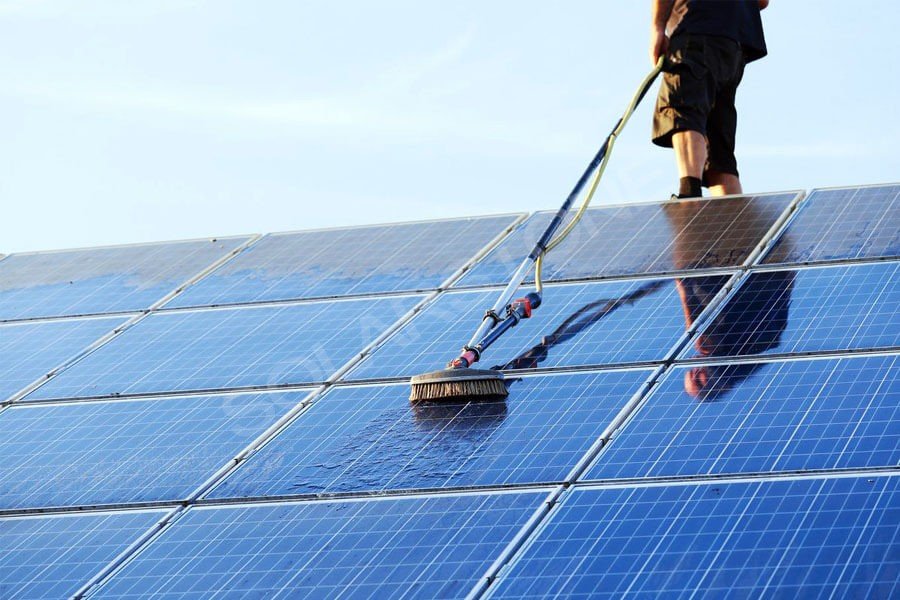
Maintenance Services
We Provide Maintenance Services for All Installations by Us & Systems installed by Other Suppliers .
Facts to Consider when installing On Grid Solar Power System in Sri Lanka
Installation of Solar Power Panels on Rooftops
Considerations for Installing a Rooftop Solar Power Plant
Assessing Roof Strength
In contemplating the installation of solar power panels on your rooftop, it’s crucial to evaluate the structural integrity of your roof. With various capacities of solar panels available on the market, each weighing an average of 24 kilograms for a 420-watt panel, the cumulative weight can increase significantly depending on the desired output. For instance, setting up a 2-kilowatt solar power plant may necessitate the installation of approximately 5 solar panels, totaling about 120 kilograms. Given the projected lifespan of 20 years for the plant, it’s imperative to ensure that your roof can support this additional load over the long term.
Assessing Sunlight Exposure
Another pivotal factor to consider is the amount of sunlight your rooftop receives. Factors such as surrounding trees and neighboring buildings can potentially obstruct sunlight, thereby impacting the efficacy of your solar power system over its 20-year lifespan.
Selecting an Accredited Installer
In Sri Lanka, numerous service providers offer rooftop solar installation services, but it’s essential to engage with an institution registered with the Sri Lanka Sustainable Energy Authority (SLSEA). SLSEA maintains a list of registered service providers on its website. Failure to select a registered installer may lead to complications when connecting your solar panels to the national grid. Accredited installation companies not only ensure compliance with regulatory standards but also oversee the installation of solar panels, inverters, and requisite safety equipment tailored to your specified capacity.
Choosing the Right Solar Panel
Given the array of solar panels available, prioritizing efficiency and durability is paramount. Tier one solar panel brands are renowned for their superior efficiency and longevity, making them a preferred choice for discerning consumers.
Expectations from Domestic Solar Power Generation
Installing a solar power plant at home typically serves one of two purposes:
Offsetting Monthly Consumption: By deploying a solar power plant matching your monthly electricity consumption, you can adopt the concept of net metering, wherein excess energy generated is not sold back to the grid but rather offset against future consumption.
Generating Additional Income: Alternatively, homeowners may opt for a solar power system designed to generate surplus electricity for profit. Two schemes facilitate this endeavor: net accounting, where excess energy is sold back to the grid at a predetermined rate, and net plus, which offers full reimbursement for surplus electricity supplied.
Promoting Household Solar Generation
The Public Utilities Commission of Sri Lanka (PUCSL) has implemented measures to encourage household solar power generation. These include:
Exemption from Licensing: Individuals generating electricity through rooftop solar power plants are exempt from obtaining a license to sell electricity to the national grid.
Grid Connection Facilitation: Utilities such as the Ceylon Electricity Board (CEB) and Lanka Electricity Company (LECO) are mandated to expedite grid connections for domestic solar power plants within a two-week timeframe.
Regulatory Guidelines: The PUCSL has issued guidelines aimed at standardizing installation practices to ensure the long-term sustainability of the solar power industry.
These initiatives align with the government’s broader agenda to promote renewable energy adoption, as evidenced by programs like “Soorya Bala Sangramaya” (Battle for Solar Energy), which incentivizes solar power generation among households.
Anticipated Benefits
By encouraging solar-based electricity generation among consumers, Sri Lanka aims to reduce reliance on traditional thermal plants, particularly during peak demand periods. This transition not only enhances energy security but also facilitates more efficient water resource management.
In conclusion, the promotion of rooftop solar power generation represents a significant step towards achieving Sri Lanka’s sustainable energy objectives while offering consumers an environmentally friendly and economically viable alternative to traditional electricity sources.
Solar Installation Companies in Sri Lanka
Title: Illuminating Sri Lanka: Exploring Vortex Energy and the Solar Revolution
Introduction:
In the dynamic landscape of renewable energy, Sri Lanka stands as a beacon of potential, with its abundant sunshine and growing awareness of the need for sustainable power solutions. Amidst this burgeoning sector, Vortex Energy emerges as a key player, spearheading the solar revolution in the island nation. In this comprehensive exploration, we delve into the intricacies of solar installation, system integration, and panel deployment, all under the overarching umbrella of Vortex Energy.
Harnessing Solar Power:
The sun, with its inexhaustible energy, holds the key to a sustainable future for Sri Lanka. Vortex Energy recognizes this potential and offers innovative solutions to harness solar power effectively. Through meticulous planning and cutting-edge technology, Vortex Energy ensures maximum utilization of solar resources, thereby reducing reliance on traditional energy sources and mitigating environmental impact.
Tailored Solar Solutions:
One size does not fit all when it comes to solar installations. Vortex Energy understands the diverse needs of its clients, whether residential, commercial, or industrial. By conducting thorough assessments and feasibility studies, Vortex Energy tailors solutions that align with the specific requirements and energy goals of each customer. From rooftop installations to ground-mounted arrays, Vortex Energy’s expertise spans across various applications, delivering optimal performance and efficiency.
Engineering Excellence:
At the heart of Vortex Energy’s success lies a team of skilled engineers and technicians dedicated to delivering excellence in every project. From system design to installation and commissioning, meticulous attention is paid to every detail to ensure seamless integration and maximum output. Vortex Energy’s commitment to engineering excellence extends beyond installation, encompassing ongoing monitoring and maintenance to uphold system performance and longevity.
Empowering Communities:
Beyond business, Vortex Energy is committed to empowering local communities through solar initiatives. By partnering with local stakeholders and engaging in community outreach programs, Vortex Energy facilitates access to clean energy solutions in underserved areas. These efforts not only contribute to energy access but also stimulate economic growth and social development, fostering a more sustainable future for all.
Navigating Regulatory Landscape:
Navigating the regulatory landscape is paramount in the renewable energy sector, and Vortex Energy adeptly navigates the complexities of policy and compliance. By staying abreast of regulatory developments and maintaining transparent communication with authorities, Vortex Energy ensures adherence to standards and facilitates a smooth transition towards renewable energy adoption.
Driving Innovation:
Innovation is the cornerstone of Vortex Energy’s operations, driving continuous improvement and technological advancement. From advancements in solar panel efficiency to smart grid integration and energy storage solutions, Vortex Energy remains at the forefront of innovation, paving the way for a more resilient and decentralized energy infrastructure in Sri Lanka.
Conclusion:
As Sri Lanka marches towards a sustainable energy future, Vortex Energy stands as a guiding light, illuminating the path towards solar adoption and environmental stewardship. With its unwavering commitment to excellence, engineering prowess, and community empowerment, Vortex Energy embodies the spirit of innovation and sustainability, propelling Sri Lanka towards a brighter tomorrow powered by the sun.
Title: Illuminating Sri Lanka: Exploring Vortex Energy and the Solar Revolution
Introduction:
In the dynamic landscape of renewable energy, Sri Lanka stands as a beacon of potential, with its abundant sunshine and growing awareness of the need for sustainable power solutions. Amidst this burgeoning sector, Vortex Energy emerges as a key player, spearheading the solar revolution in the island nation. In this comprehensive exploration, we delve into the intricacies of solar installation, system integration, and panel deployment, all under the overarching umbrella of Vortex Energy.
Harnessing Solar Power:
The sun, with its inexhaustible energy, holds the key to a sustainable future for Sri Lanka. Vortex Energy recognizes this potential and offers innovative solutions to harness solar power effectively. Through meticulous planning and cutting-edge technology, Vortex Energy ensures maximum utilization of solar resources, thereby reducing reliance on traditional energy sources and mitigating environmental impact.
Tailored Solar Solutions:
One size does not fit all when it comes to solar installations. Vortex Energy understands the diverse needs of its clients, whether residential, commercial, or industrial. By conducting thorough assessments and feasibility studies, Vortex Energy tailors solutions that align with the specific requirements and energy goals of each customer. From rooftop installations to ground-mounted arrays, Vortex Energy’s expertise spans across various applications, delivering optimal performance and efficiency.
Engineering Excellence:
At the heart of Vortex Energy’s success lies a team of skilled engineers and technicians dedicated to delivering excellence in every project. From system design to installation and commissioning, meticulous attention is paid to every detail to ensure seamless integration and maximum output. Vortex Energy’s commitment to engineering excellence extends beyond installation, encompassing ongoing monitoring and maintenance to uphold system performance and longevity.
Empowering Communities:
Beyond business, Vortex Energy is committed to empowering local communities through solar initiatives. By partnering with local stakeholders and engaging in community outreach programs, Vortex Energy facilitates access to clean energy solutions in underserved areas. These efforts not only contribute to energy access but also stimulate economic growth and social development, fostering a more sustainable future for all.
Navigating Regulatory Landscape:
Navigating the regulatory landscape is paramount in the renewable energy sector, and Vortex Energy adeptly navigates the complexities of policy and compliance. By staying abreast of regulatory developments and maintaining transparent communication with authorities, Vortex Energy ensures adherence to standards and facilitates a smooth transition towards renewable energy adoption.
Driving Innovation:
Innovation is the cornerstone of Vortex Energy’s operations, driving continuous improvement and technological advancement. From advancements in solar panel efficiency to smart grid integration and energy storage solutions, Vortex Energy remains at the forefront of innovation, paving the way for a more resilient and decentralized energy infrastructure in Sri Lanka.
Conclusion:
As Sri Lanka marches towards a sustainable energy future, Vortex Energy stands as a guiding light, illuminating the path towards solar adoption and environmental stewardship. With its unwavering commitment to excellence, engineering prowess, and community empowerment, Vortex Energy embodies the spirit of innovation and sustainability, propelling Sri Lanka towards a brighter tomorrow powered by the sun.
Title: Illuminating Sri Lanka: Exploring Vortex Energy and the Solar Revolution
Introduction:
In the dynamic landscape of renewable energy, Sri Lanka stands as a beacon of potential, with its abundant sunshine and growing awareness of the need for sustainable power solutions. Amidst this burgeoning sector, Vortex Energy emerges as a key player, spearheading the solar revolution in the island nation. In this comprehensive exploration, we delve into the intricacies of solar installation, system integration, and panel deployment, all under the overarching umbrella of Vortex Energy.
Harnessing Solar Power:
The sun, with its inexhaustible energy, holds the key to a sustainable future for Sri Lanka. Vortex Energy recognizes this potential and offers innovative solutions to harness solar power effectively. Through meticulous planning and cutting-edge technology, Vortex Energy ensures maximum utilization of solar resources, thereby reducing reliance on traditional energy sources and mitigating environmental impact.
Tailored Solar Solutions:
One size does not fit all when it comes to solar installations. Vortex Energy understands the diverse needs of its clients, whether residential, commercial, or industrial. By conducting thorough assessments and feasibility studies, Vortex Energy tailors solutions that align with the specific requirements and energy goals of each customer. From rooftop installations to ground-mounted arrays, Vortex Energy’s expertise spans across various applications, delivering optimal performance and efficiency.
Engineering Excellence:
At the heart of Vortex Energy’s success lies a team of skilled engineers and technicians dedicated to delivering excellence in every project. From system design to installation and commissioning, meticulous attention is paid to every detail to ensure seamless integration and maximum output. Vortex Energy’s commitment to engineering excellence extends beyond installation, encompassing ongoing monitoring and maintenance to uphold system performance and longevity.
Empowering Communities:
Beyond business, Vortex Energy is committed to empowering local communities through solar initiatives. By partnering with local stakeholders and engaging in community outreach programs, Vortex Energy facilitates access to clean energy solutions in underserved areas. These efforts not only contribute to energy access but also stimulate economic growth and social development, fostering a more sustainable future for all.
Navigating Regulatory Landscape:
Navigating the regulatory landscape is paramount in the renewable energy sector, and Vortex Energy adeptly navigates the complexities of policy and compliance. By staying abreast of regulatory developments and maintaining transparent communication with authorities, Vortex Energy ensures adherence to standards and facilitates a smooth transition towards renewable energy adoption.
Driving Innovation:
Innovation is the cornerstone of Vortex Energy’s operations, driving continuous improvement and technological advancement. From advancements in solar panel efficiency to smart grid integration and energy storage solutions, Vortex Energy remains at the forefront of innovation, paving the way for a more resilient and decentralized energy infrastructure in Sri Lanka.
Conclusion:
As Sri Lanka marches towards a sustainable energy future, Vortex Energy stands as a guiding light, illuminating the path towards solar adoption and environmental stewardship. With its unwavering commitment to excellence, engineering prowess, and community empowerment, Vortex Energy embodies the spirit of innovation and sustainability, propelling Sri Lanka towards a brighter tomorrow powered by the sun.
Title: Illuminating Sri Lanka: Exploring Vortex Energy and the Solar Revolution
Introduction:
In the dynamic landscape of renewable energy, Sri Lanka stands as a beacon of potential, with its abundant sunshine and growing awareness of the need for sustainable power solutions. Amidst this burgeoning sector, Vortex Energy emerges as a key player, spearheading the solar revolution in the island nation. In this comprehensive exploration, we delve into the intricacies of solar installation, system integration, and panel deployment, all under the overarching umbrella of Vortex Energy.
Harnessing Solar Power:
The sun, with its inexhaustible energy, holds the key to a sustainable future for Sri Lanka. Vortex Energy recognizes this potential and offers innovative solutions to harness solar power effectively. Through meticulous planning and cutting-edge technology, Vortex Energy ensures maximum utilization of solar resources, thereby reducing reliance on traditional energy sources and mitigating environmental impact.
Tailored Solar Solutions:
One size does not fit all when it comes to solar installations. Vortex Energy understands the diverse needs of its clients, whether residential, commercial, or industrial. By conducting thorough assessments and feasibility studies, Vortex Energy tailors solutions that align with the specific requirements and energy goals of each customer. From rooftop installations to ground-mounted arrays, Vortex Energy’s expertise spans across various applications, delivering optimal performance and efficiency.
Engineering Excellence:
At the heart of Vortex Energy’s success lies a team of skilled engineers and technicians dedicated to delivering excellence in every project. From system design to installation and commissioning, meticulous attention is paid to every detail to ensure seamless integration and maximum output. Vortex Energy’s commitment to engineering excellence extends beyond installation, encompassing ongoing monitoring and maintenance to uphold system performance and longevity.
Empowering Communities:
Beyond business, Vortex Energy is committed to empowering local communities through solar initiatives. By partnering with local stakeholders and engaging in community outreach programs, Vortex Energy facilitates access to clean energy solutions in underserved areas. These efforts not only contribute to energy access but also stimulate economic growth and social development, fostering a more sustainable future for all.
Navigating Regulatory Landscape:
Navigating the regulatory landscape is paramount in the renewable energy sector, and Vortex Energy adeptly navigates the complexities of policy and compliance. By staying abreast of regulatory developments and maintaining transparent communication with authorities, Vortex Energy ensures adherence to standards and facilitates a smooth transition towards renewable energy adoption.
Driving Innovation:
Innovation is the cornerstone of Vortex Energy’s operations, driving continuous improvement and technological advancement. From advancements in solar panel efficiency to smart grid integration and energy storage solutions, Vortex Energy remains at the forefront of innovation, paving the way for a more resilient and decentralized energy infrastructure in Sri Lanka.
Conclusion:
As Sri Lanka marches towards a sustainable energy future, Vortex Energy stands as a guiding light, illuminating the path towards solar adoption and environmental stewardship. With its unwavering commitment to excellence, engineering prowess, and community empowerment, Vortex Energy embodies the spirit of innovation and sustainability, propelling Sri Lanka towards a brighter tomorrow powered by the sun.
Title: Illuminating Sri Lanka: Exploring Vortex Energy and the Solar Revolution
Introduction:
In the dynamic landscape of renewable energy, Sri Lanka stands as a beacon of potential, with its abundant sunshine and growing awareness of the need for sustainable power solutions. Amidst this burgeoning sector, Vortex Energy emerges as a key player, spearheading the solar revolution in the island nation. In this comprehensive exploration, we delve into the intricacies of solar installation, system integration, and panel deployment, all under the overarching umbrella of Vortex Energy.
Harnessing Solar Power:
The sun, with its inexhaustible energy, holds the key to a sustainable future for Sri Lanka. Vortex Energy recognizes this potential and offers innovative solutions to harness solar power effectively. Through meticulous planning and cutting-edge technology, Vortex Energy ensures maximum utilization of solar resources, thereby reducing reliance on traditional energy sources and mitigating environmental impact.
Tailored Solar Solutions:
One size does not fit all when it comes to solar installations. Vortex Energy understands the diverse needs of its clients, whether residential, commercial, or industrial. By conducting thorough assessments and feasibility studies, Vortex Energy tailors solutions that align with the specific requirements and energy goals of each customer. From rooftop installations to ground-mounted arrays, Vortex Energy’s expertise spans across various applications, delivering optimal performance and efficiency.
Engineering Excellence:
At the heart of Vortex Energy’s success lies a team of skilled engineers and technicians dedicated to delivering excellence in every project. From system design to installation and commissioning, meticulous attention is paid to every detail to ensure seamless integration and maximum output. Vortex Energy’s commitment to engineering excellence extends beyond installation, encompassing ongoing monitoring and maintenance to uphold system performance and longevity.
Empowering Communities:
Beyond business, Vortex Energy is committed to empowering local communities through solar initiatives. By partnering with local stakeholders and engaging in community outreach programs, Vortex Energy facilitates access to clean energy solutions in underserved areas. These efforts not only contribute to energy access but also stimulate economic growth and social development, fostering a more sustainable future for all.
Navigating Regulatory Landscape:
Navigating the regulatory landscape is paramount in the renewable energy sector, and Vortex Energy adeptly navigates the complexities of policy and compliance. By staying abreast of regulatory developments and maintaining transparent communication with authorities, Vortex Energy ensures adherence to standards and facilitates a smooth transition towards renewable energy adoption.
Driving Innovation:
Innovation is the cornerstone of Vortex Energy’s operations, driving continuous improvement and technological advancement. From advancements in solar panel efficiency to smart grid integration and energy storage solutions, Vortex Energy remains at the forefront of innovation, paving the way for a more resilient and decentralized energy infrastructure in Sri Lanka.
Conclusion:
As Sri Lanka marches towards a sustainable energy future, Vortex Energy stands as a guiding light, illuminating the path towards solar adoption and environmental stewardship. With its unwavering commitment to excellence, engineering prowess, and community empowerment, Vortex Energy embodies the spirit of innovation and sustainability, propelling Sri Lanka towards a brighter tomorrow powered by the sun.
Title: Illuminating Sri Lanka: Exploring Solar System Installation Companies
Introduction:
In the dynamic landscape of renewable energy, Sri Lanka stands as a beacon of potential, with its abundant sunshine and growing awareness of the need for sustainable power solutions. Amidst this burgeoning sector, numerous solar system installation companies have emerged, each contributing to the country’s solar revolution. In this exploration, we delve into the essence of these companies, their offerings, and their collective efforts in advancing solar energy adoption across Sri Lanka.
Driving Solar Adoption:
Sri Lanka’s geographical location near the equator provides ample sunlight throughout the year, making it an ideal candidate for solar energy harnessing. Recognizing this potential, a multitude of solar system installation companies have stepped forward to offer tailored solutions to residential, commercial, and industrial consumers. Their collective mission is to reduce reliance on conventional energy sources and pave the way for a more sustainable future.
Customized Solutions:
One of the distinguishing features of these solar system installation companies is their ability to provide customized solutions to meet the diverse needs of their clients. Whether it’s a small-scale residential installation or a large-scale commercial project, these companies conduct thorough assessments to design systems that optimize energy production and minimize environmental impact. By considering factors such as location, energy consumption patterns, and budget constraints, they ensure that each installation is tailored to deliver maximum efficiency and cost-effectiveness.
Quality Assurance:
Quality assurance is paramount in the solar industry to ensure the longevity and reliability of installed systems. Solar system installation companies in Sri Lanka adhere to stringent quality standards and certifications, employing skilled technicians and engineers to oversee every aspect of the installation process. From the selection of high-quality components to the execution of precise installation techniques, these companies prioritize excellence to deliver systems that perform optimally for years to come.
Technical Expertise:
Behind every successful solar installation is a team of experienced professionals with technical expertise in solar energy systems. These companies invest in ongoing training and development programs to keep their staff updated with the latest advancements in solar technology and installation techniques. Whether it’s designing complex solar arrays or troubleshooting system issues, their skilled workforce ensures that installations are executed with precision and efficiency.
Community Engagement:
Beyond business objectives, solar system installation companies in Sri Lanka are actively engaged in community outreach initiatives to promote solar energy awareness and adoption. Through educational workshops, seminars, and awareness campaigns, they empower consumers with the knowledge needed to make informed decisions about solar investments. By fostering a culture of sustainability and environmental stewardship, these companies contribute to the broader goal of creating a greener and more resilient society.
Conclusion:
In conclusion, solar system installation companies in Sri Lanka play a pivotal role in driving the adoption of solar energy and fostering sustainable development. Through their customized solutions, commitment to quality, technical expertise, and community engagement efforts, they are instrumental in shaping a brighter future powered by the sun. As Sri Lanka continues its transition towards renewable energy, these companies will undoubtedly remain at the forefront, driving innovation and leading the charge towards a more sustainable energy landscape.
Title: Illuminating Sri Lanka: Exploring Solar Panel Installation Providers
Introduction:
As Sri Lanka embraces the promise of solar energy, a multitude of companies have emerged, offering expertise in solar panel installation. These providers are pivotal in transforming the island’s energy landscape by harnessing the abundant sunlight to power homes, businesses, and industries. In this exploration, we delve into the essence of these solar panel installation providers, their contributions, and their collective role in advancing solar adoption across Sri Lanka.
Harnessing Solar Potential:
With its strategic location near the equator, Sri Lanka receives ample sunlight year-round, presenting a lucrative opportunity for solar power generation. Solar panel installation providers leverage this abundant resource to design and install solar photovoltaic (PV) systems tailored to meet the energy needs of diverse consumers. Their efforts contribute not only to reducing reliance on conventional energy sources but also to mitigating carbon emissions and fostering environmental sustainability.
Customized Solutions:
Solar panel installation providers offer customized solutions to address the unique requirements of residential, commercial, and industrial clients. Through meticulous site assessments and energy audits, these providers design PV systems optimized for maximum efficiency and performance. Factors such as rooftop space, energy consumption patterns, and budget constraints are carefully considered to ensure that each installation meets the specific needs and preferences of the client.
Quality Assurance:
Ensuring the quality and reliability of installed solar panels is paramount to the success of any solar project. Solar panel installation providers adhere to industry best practices and standards to uphold the highest levels of quality assurance. From selecting premium-grade solar panels and components to implementing rigorous installation and testing procedures, these providers prioritize excellence to deliver systems that withstand the test of time and deliver consistent performance.
Technical Expertise:
Behind every successful solar panel installation is a team of skilled technicians and engineers with expertise in solar energy systems. Solar panel installation providers invest in continuous training and development programs to equip their workforce with the latest knowledge and skills in solar technology and installation techniques. This technical expertise enables them to tackle complex projects with confidence and ensure seamless execution from design to commissioning.
Community Engagement:
Solar panel installation providers actively engage with communities to promote solar energy awareness and adoption. Through educational workshops, outreach programs, and community partnerships, they empower consumers with the knowledge and resources needed to make informed decisions about solar investments. By fostering a culture of sustainability and environmental stewardship, these providers contribute to building a more resilient and energy-independent future for Sri Lanka.
Conclusion:
In conclusion, solar panel installation providers play a pivotal role in driving the adoption of solar energy and shaping a more sustainable energy landscape in Sri Lanka. Through their customized solutions, commitment to quality, technical expertise, and community engagement efforts, these providers are instrumental in harnessing the power of the sun to illuminate homes, businesses, and communities across the island nation. As Sri Lanka continues its journey towards renewable energy, these providers will remain key stakeholders in realizing the vision of a greener and more prosperous future.
Powering Sri Lanka: Top Solar Installation Companies Revolutionizing the Island’s Energy Landscape
Introduction: In the radiant tapestry of renewable energy, Sri Lanka emerges as a vibrant hub for solar power innovation. As the demand for sustainable energy solutions surges, a multitude of solar installation companies have risen to prominence, spearheading the island’s transition towards a greener future. In this SEO-optimized blog post, we’ll explore the top solar installation companies in Sri Lanka, their offerings, and their pivotal role in revolutionizing the country’s energy landscape.
Unlocking Solar Potential in Sri Lanka: Sri Lanka’s strategic location near the equator blesses it with abundant sunlight year-round, presenting an unparalleled opportunity for solar energy harnessing. Amidst this backdrop, solar installation companies play a crucial role in unlocking the full potential of solar power across the island nation. Let’s delve into the key players driving this solar revolution.
Leading Solar Installation Companies in Sri Lanka:
: Green Energy Solutions stands out as a premier solar installation company in Sri Lanka, offering comprehensive solutions for residential, commercial, and industrial sectors. With a focus on quality craftsmanship and cutting-edge technology, Green Energy Solutions delivers turnkey solar solutions tailored to meet the unique needs of each client.
Solutions is another industry leader, known for its expertise in designing and installing high-performance solar systems. From rooftop installations to large-scale solar farms, Sunshine Solar Solutions leverages its technical prowess to deliver reliable and cost-effective solar solutions across Sri Lanka.
Engineering excels in delivering innovative solar solutions that optimize energy production and maximize efficiency. Their team of skilled engineers and technicians ensures seamless installation and ongoing support, making them a trusted partner for solar projects of any scale.
Solar Solutions Lanka is renowned for its commitment to sustainability and customer satisfaction. With a diverse portfolio of residential and commercial installations, Solar Solutions Lanka remains at the forefront of driving solar adoption in Sri Lanka through its quality-driven approach and customer-centric ethos.
: Sunrise Energy Systems specializes in delivering customized solar solutions that prioritize energy efficiency and long-term performance. Whether it’s residential rooftop installations or commercial solar arrays, Sunrise Energy Systems ensures seamless integration and optimal energy yield for its clients.
Conclusion: As Sri Lanka embraces the transition towards renewable energy, solar installation companies play a pivotal role in driving this transformation. With their expertise, innovation, and commitment to sustainability, companies like Green Energy Solutions, Sunshine Solar Solutions, SolarTech Engineering, Solar Solutions Lanka, and Sunrise Energy Systems are instrumental in shaping a brighter and more sustainable future for the island nation. Contact one of these leading solar installation companies today to embark on your journey towards energy independence and environmental stewardship in Sri Lanka.
Meta Tags:
- Solar installation companies Sri Lanka
- Renewable energy solutions Sri Lanka
- Solar panel installation services Sri Lanka
- Sustainable energy solutions Sri Lanka
- Best solar installers Sri Lanka
- Solar energy systems Sri Lanka
- Leading solar installation companies Sri Lanka
- Solar power installation Sri Lanka
- Residential solar installations Sri Lanka
- Commercial solar solutions Sri Lanka
Links:
- SolarTech Lanka – Leading provider of solar installation services in Sri Lanka.
- Sunshine Renewable Energy – Trusted name in solar panel installation in Sri Lanka.
- Green Energy Solutions – Innovative provider of sustainable energy solutions for homes and businesses in Sri Lanka.
- EcoSolar – Reliable partner for residential and commercial solar installations in Sri Lanka.
- SunPower Solar – Industry leader in solar power installation services in Sri Lanka.
- SolarMax – Expert in designing and implementing solar energy systems for various applications in Sri Lanka.
- GreenTech Solar – Provider of government-approved solar installations across Sri Lanka.
- Energize Solar – Specialist in residential and commercial solar power installation in Sri Lanka.
- Sunshine Renewable Energy – Dedicated to promoting sustainable energy solutions through solar installations in Sri Lanka.
- Green Power Solutions – Offering customized solar installation services for homes and businesses in Sri Lanka.
These meta tags and links can enhance the online visibility and accessibility of solar installation companies in Sri Lanka.
Title: Energizing Sri Lanka: The Role of Solar Installation Companies in Driving Renewable Energy Adoption
**Introduction**
In the midst of global efforts towards sustainable energy solutions, Sri Lanka has emerged as a frontrunner in embracing renewable energy, particularly solar power. At the heart of this transition lie the solar installation companies, serving as the driving force behind the proliferation of solar energy systems across the island nation. In this comprehensive SEO post, we delve into the pivotal role played by solar installation companies in Sri Lanka, their contributions to the renewable energy landscape, and the challenges and opportunities they encounter in promoting solar energy adoption.
**The Growing Demand for Solar Energy in Sri Lanka**
Sri Lanka, blessed with abundant sunlight throughout the year, presents a prime opportunity for harnessing solar energy to meet its growing electricity needs. As the nation grapples with the challenges of climate change and environmental degradation, there has been a significant shift towards renewable energy sources, with solar power emerging as a key player. The increasing awareness of the environmental and economic benefits of solar energy has fueled a surge in demand for solar installations across residential, commercial, and industrial sectors in Sri Lanka.
**The Role of Solar Installation Companies**
Solar installation companies serve as catalysts for the widespread adoption of solar energy in Sri Lanka. Their primary responsibilities encompass the design, installation, and maintenance of solar power systems tailored to meet the unique requirements of clients. These companies play a crucial role in guiding individuals, businesses, and communities through the process of transitioning to solar energy, thereby driving the transformation towards a cleaner and more sustainable energy future.
**Contributions to the Renewable Energy Landscape**
Solar installation companies make significant contributions to the renewable energy landscape in Sri Lanka:
1. *Environmental Sustainability*: By facilitating the installation of solar power systems, these companies help reduce reliance on fossil fuels and mitigate greenhouse gas emissions, thereby contributing to environmental conservation and combating climate change.
2. *Energy Independence*: Solar installations empower individuals and businesses to generate their own electricity, reducing dependence on centralized power grids and imported fossil fuels. This enhances energy security and resilience, particularly in remote or off-grid areas with limited access to conventional electricity sources.
3. *Economic Development*: The growth of the solar installation sector stimulates economic development by creating jobs, attracting investment, and fostering innovation. Solar projects generate employment opportunities across various skill levels, from design and installation to maintenance and support, thereby contributing to local economic growth and prosperity.
4. *Technological Advancement*: Solar installation companies drive technological innovation and advancements in solar energy systems. Through research and development initiatives, these companies continuously improve the efficiency, performance, and affordability of solar power technologies, making them more accessible and viable for a wider range of applications.
**Challenges and Opportunities**
Despite their significant contributions, solar installation companies in Sri Lanka encounter various challenges in promoting solar energy adoption:
1. *Policy and Regulatory Frameworks*: Inconsistent or outdated policies and regulatory frameworks can create barriers to solar energy adoption. Uncertainty surrounding tariffs, incentives, and permitting processes may deter investment and impede the growth of the solar installation sector.
2. *Financing Constraints*: The high upfront costs associated with solar installations pose a barrier to adoption for some customers. Limited access to financing options, such as loans or subsidies, may hinder the affordability and accessibility of solar power systems, particularly for low-income households or small businesses.
3. *Technical and Skills Shortages*: The rapid expansion of the solar installation sector requires a skilled workforce with expertise in solar technology, engineering, and construction. However, there may be shortages of trained professionals and technicians, limiting the capacity of solar installation companies to meet growing demand.
4. *Grid Integration Challenges*: Integrating solar power into existing electricity grids can be complex, especially in areas with unreliable grid infrastructure or limited storage capacity. Grid integration challenges, such as voltage fluctuations or grid instability, may affect the reliability and performance of solar power systems, requiring innovative solutions and coordination with utility providers.
Despite these challenges, solar installation companies in Sri Lanka also have numerous opportunities for growth and innovation:
1. *Government Support and Incentives*: Continued government support through favorable policies, incentives, and regulatory reforms can stimulate investment and promote solar energy adoption. Initiatives such as net metering, feed-in tariffs, and tax incentives encourage individuals and businesses to invest in solar power systems.
2. *Technology Advancements*: Technological advancements in solar energy storage, efficiency, and grid integration are driving down costs and expanding the capabilities of solar power systems. Innovation in battery storage, smart inverters, and grid management technologies improves the reliability and flexibility of solar installations, making them more attractive to consumers and businesses.
3. *Public Awareness and Education*: Increasing public awareness and education about the benefits of solar energy can stimulate demand and support for solar installations. Outreach programs, educational campaigns, and community engagement initiatives raise awareness about the environmental, economic, and social advantages of solar power, encouraging more people to embrace renewable energy solutions.
4. *Collaboration and Partnerships*: Collaboration between solar installation companies, government agencies, non-profit organizations, and international partners can leverage expertise, resources, and best practices to overcome challenges and drive innovation. Partnerships facilitate knowledge sharing, capacity building, and the implementation of joint initiatives to accelerate the adoption of solar energy in Sri Lanka.
**Conclusion**
In conclusion, solar installation companies play a critical role in advancing renewable energy adoption and driving the transition towards a sustainable energy future in Sri Lanka. Through their expertise, dedication, and innovation, these companies are instrumental in harnessing the power of the sun to meet the nation’s energy needs while preserving the environment for future generations. As Sri Lanka continues on its path towards renewable energy, the role of solar installation companies will only grow in importance, shaping the country’s energy landscape for years to come.
Title: Energizing Sri Lanka: The Role of Solar Installation Companies in Driving Renewable Energy Adoption
**Introduction**
In the midst of global efforts towards sustainable energy solutions, Sri Lanka has emerged as a frontrunner in embracing renewable energy, particularly solar power. At the heart of this transition lie the solar installation companies, serving as the driving force behind the proliferation of solar energy systems across the island nation. In this comprehensive SEO post, we delve into the pivotal role played by solar installation companies in Sri Lanka, their contributions to the renewable energy landscape, and the challenges and opportunities they encounter in promoting solar energy adoption.
**The Growing Demand for Solar Energy in Sri Lanka**
Sri Lanka, blessed with abundant sunlight throughout the year, presents a prime opportunity for harnessing solar energy to meet its growing electricity needs. As the nation grapples with the challenges of climate change and environmental degradation, there has been a significant shift towards renewable energy sources, with solar power emerging as a key player. The increasing awareness of the environmental and economic benefits of solar energy has fueled a surge in demand for solar installations across residential, commercial, and industrial sectors in Sri Lanka.
**The Role of Solar Installation Companies**
Solar installation companies serve as catalysts for the widespread adoption of solar energy in Sri Lanka. Their primary responsibilities encompass the design, installation, and maintenance of solar power systems tailored to meet the unique requirements of clients. These companies play a crucial role in guiding individuals, businesses, and communities through the process of transitioning to solar energy, thereby driving the transformation towards a cleaner and more sustainable energy future.
**Contributions to the Renewable Energy Landscape**
Solar installation companies make significant contributions to the renewable energy landscape in Sri Lanka:
1. *Environmental Sustainability*: By facilitating the installation of solar power systems, these companies help reduce reliance on fossil fuels and mitigate greenhouse gas emissions, thereby contributing to environmental conservation and combating climate change.
2. *Energy Independence*: Solar installations empower individuals and businesses to generate their own electricity, reducing dependence on centralized power grids and imported fossil fuels. This enhances energy security and resilience, particularly in remote or off-grid areas with limited access to conventional electricity sources.
3. *Economic Development*: The growth of the solar installation sector stimulates economic development by creating jobs, attracting investment, and fostering innovation. Solar projects generate employment opportunities across various skill levels, from design and installation to maintenance and support, thereby contributing to local economic growth and prosperity.
4. *Technological Advancement*: Solar installation companies drive technological innovation and advancements in solar energy systems. Through research and development initiatives, these companies continuously improve the efficiency, performance, and affordability of solar power technologies, making them more accessible and viable for a wider range of applications.
**Challenges and Opportunities**
Despite their significant contributions, solar installation companies in Sri Lanka encounter various challenges in promoting solar energy adoption:
1. *Policy and Regulatory Frameworks*: Inconsistent or outdated policies and regulatory frameworks can create barriers to solar energy adoption. Uncertainty surrounding tariffs, incentives, and permitting processes may deter investment and impede the growth of the solar installation sector.
2. *Financing Constraints*: The high upfront costs associated with solar installations pose a barrier to adoption for some customers. Limited access to financing options, such as loans or subsidies, may hinder the affordability and accessibility of solar power systems, particularly for low-income households or small businesses.
3. *Technical and Skills Shortages*: The rapid expansion of the solar installation sector requires a skilled workforce with expertise in solar technology, engineering, and construction. However, there may be shortages of trained professionals and technicians, limiting the capacity of solar installation companies to meet growing demand.
4. *Grid Integration Challenges*: Integrating solar power into existing electricity grids can be complex, especially in areas with unreliable grid infrastructure or limited storage capacity. Grid integration challenges, such as voltage fluctuations or grid instability, may affect the reliability and performance of solar power systems, requiring innovative solutions and coordination with utility providers.
Despite these challenges, solar installation companies in Sri Lanka also have numerous opportunities for growth and innovation:
1. *Government Support and Incentives*: Continued government support through favorable policies, incentives, and regulatory reforms can stimulate investment and promote solar energy adoption. Initiatives such as net metering, feed-in tariffs, and tax incentives encourage individuals and businesses to invest in solar power systems.
2. *Technology Advancements*: Technological advancements in solar energy storage, efficiency, and grid integration are driving down costs and expanding the capabilities of solar power systems. Innovation in battery storage, smart inverters, and grid management technologies improves the reliability and flexibility of solar installations, making them more attractive to consumers and businesses.
3. *Public Awareness and Education*: Increasing public awareness and education about the benefits of solar energy can stimulate demand and support for solar installations. Outreach programs, educational campaigns, and community engagement initiatives raise awareness about the environmental, economic, and social advantages of solar power, encouraging more people to embrace renewable energy solutions.
4. *Collaboration and Partnerships*: Collaboration between solar installation companies, government agencies, non-profit organizations, and international partners can leverage expertise, resources, and best practices to overcome challenges and drive innovation. Partnerships facilitate knowledge sharing, capacity building, and the implementation of joint initiatives to accelerate the adoption of solar energy in Sri Lanka.
**Conclusion**
In conclusion, solar installation companies play a critical role in advancing renewable energy adoption and driving the transition towards a sustainable energy future in Sri Lanka. Through their expertise, dedication, and innovation, these companies are instrumental in harnessing the power of the sun to meet the nation’s energy needs while preserving the environment for future generations. As Sri Lanka continues on its path towards renewable energy, the role of solar installation companies will only grow in importance, shaping the country’s energy landscape for years to come.
Title: Energizing Sri Lanka: The Role of Solar Installation Companies in Driving Renewable Energy Adoption
**Introduction**
In the midst of global efforts towards sustainable energy solutions, Sri Lanka has emerged as a frontrunner in embracing renewable energy, particularly solar power. At the heart of this transition lie the solar installation companies, serving as the driving force behind the proliferation of solar energy systems across the island nation. In this comprehensive SEO post, we delve into the pivotal role played by solar installation companies in Sri Lanka, their contributions to the renewable energy landscape, and the challenges and opportunities they encounter in promoting solar energy adoption.
**The Growing Demand for Solar Energy in Sri Lanka**
Sri Lanka, blessed with abundant sunlight throughout the year, presents a prime opportunity for harnessing solar energy to meet its growing electricity needs. As the nation grapples with the challenges of climate change and environmental degradation, there has been a significant shift towards renewable energy sources, with solar power emerging as a key player. The increasing awareness of the environmental and economic benefits of solar energy has fueled a surge in demand for solar installations across residential, commercial, and industrial sectors in Sri Lanka.
**The Role of Solar Installation Companies**
Solar installation companies serve as catalysts for the widespread adoption of solar energy in Sri Lanka. Their primary responsibilities encompass the design, installation, and maintenance of solar power systems tailored to meet the unique requirements of clients. These companies play a crucial role in guiding individuals, businesses, and communities through the process of transitioning to solar energy, thereby driving the transformation towards a cleaner and more sustainable energy future.
**Contributions to the Renewable Energy Landscape**
Solar installation companies make significant contributions to the renewable energy landscape in Sri Lanka:
1. *Environmental Sustainability*: By facilitating the installation of solar power systems, these companies help reduce reliance on fossil fuels and mitigate greenhouse gas emissions, thereby contributing to environmental conservation and combating climate change.
2. *Energy Independence*: Solar installations empower individuals and businesses to generate their own electricity, reducing dependence on centralized power grids and imported fossil fuels. This enhances energy security and resilience, particularly in remote or off-grid areas with limited access to conventional electricity sources.
3. *Economic Development*: The growth of the solar installation sector stimulates economic development by creating jobs, attracting investment, and fostering innovation. Solar projects generate employment opportunities across various skill levels, from design and installation to maintenance and support, thereby contributing to local economic growth and prosperity.
4. *Technological Advancement*: Solar installation companies drive technological innovation and advancements in solar energy systems. Through research and development initiatives, these companies continuously improve the efficiency, performance, and affordability of solar power technologies, making them more accessible and viable for a wider range of applications.
**Challenges and Opportunities**
Despite their significant contributions, solar installation companies in Sri Lanka encounter various challenges in promoting solar energy adoption:
1. *Policy and Regulatory Frameworks*: Inconsistent or outdated policies and regulatory frameworks can create barriers to solar energy adoption. Uncertainty surrounding tariffs, incentives, and permitting processes may deter investment and impede the growth of the solar installation sector.
2. *Financing Constraints*: The high upfront costs associated with solar installations pose a barrier to adoption for some customers. Limited access to financing options, such as loans or subsidies, may hinder the affordability and accessibility of solar power systems, particularly for low-income households or small businesses.
3. *Technical and Skills Shortages*: The rapid expansion of the solar installation sector requires a skilled workforce with expertise in solar technology, engineering, and construction. However, there may be shortages of trained professionals and technicians, limiting the capacity of solar installation companies to meet growing demand.
4. *Grid Integration Challenges*: Integrating solar power into existing electricity grids can be complex, especially in areas with unreliable grid infrastructure or limited storage capacity. Grid integration challenges, such as voltage fluctuations or grid instability, may affect the reliability and performance of solar power systems, requiring innovative solutions and coordination with utility providers.
Despite these challenges, solar installation companies in Sri Lanka also have numerous opportunities for growth and innovation:
1. *Government Support and Incentives*: Continued government support through favorable policies, incentives, and regulatory reforms can stimulate investment and promote solar energy adoption. Initiatives such as net metering, feed-in tariffs, and tax incentives encourage individuals and businesses to invest in solar power systems.
2. *Technology Advancements*: Technological advancements in solar energy storage, efficiency, and grid integration are driving down costs and expanding the capabilities of solar power systems. Innovation in battery storage, smart inverters, and grid management technologies improves the reliability and flexibility of solar installations, making them more attractive to consumers and businesses.
3. *Public Awareness and Education*: Increasing public awareness and education about the benefits of solar energy can stimulate demand and support for solar installations. Outreach programs, educational campaigns, and community engagement initiatives raise awareness about the environmental, economic, and social advantages of solar power, encouraging more people to embrace renewable energy solutions.
4. *Collaboration and Partnerships*: Collaboration between solar installation companies, government agencies, non-profit organizations, and international partners can leverage expertise, resources, and best practices to overcome challenges and drive innovation. Partnerships facilitate knowledge sharing, capacity building, and the implementation of joint initiatives to accelerate the adoption of solar energy in Sri Lanka.
**Conclusion**
In conclusion, solar installation companies play a critical role in advancing renewable energy adoption and driving the transition towards a sustainable energy future in Sri Lanka. Through their expertise, dedication, and innovation, these companies are instrumental in harnessing the power of the sun to meet the nation’s energy needs while preserving the environment for future generations. As Sri Lanka continues on its path towards renewable energy, the role of solar installation companies will only grow in importance, shaping the country’s energy landscape for years to come.
Title: Energizing Sri Lanka: The Role of Solar Installation Companies in Driving Renewable Energy Adoption
**Introduction**
In the midst of global efforts towards sustainable energy solutions, Sri Lanka has emerged as a frontrunner in embracing renewable energy, particularly solar power. At the heart of this transition lie the solar installation companies, serving as the driving force behind the proliferation of solar energy systems across the island nation. In this comprehensive SEO post, we delve into the pivotal role played by solar installation companies in Sri Lanka, their contributions to the renewable energy landscape, and the challenges and opportunities they encounter in promoting solar energy adoption.
**The Growing Demand for Solar Energy in Sri Lanka**
Sri Lanka, blessed with abundant sunlight throughout the year, presents a prime opportunity for harnessing solar energy to meet its growing electricity needs. As the nation grapples with the challenges of climate change and environmental degradation, there has been a significant shift towards renewable energy sources, with solar power emerging as a key player. The increasing awareness of the environmental and economic benefits of solar energy has fueled a surge in demand for solar installations across residential, commercial, and industrial sectors in Sri Lanka.
**The Role of Solar Installation Companies**
Solar installation companies serve as catalysts for the widespread adoption of solar energy in Sri Lanka. Their primary responsibilities encompass the design, installation, and maintenance of solar power systems tailored to meet the unique requirements of clients. These companies play a crucial role in guiding individuals, businesses, and communities through the process of transitioning to solar energy, thereby driving the transformation towards a cleaner and more sustainable energy future.
**Contributions to the Renewable Energy Landscape**
Solar installation companies make significant contributions to the renewable energy landscape in Sri Lanka:
1. *Environmental Sustainability*: By facilitating the installation of solar power systems, these companies help reduce reliance on fossil fuels and mitigate greenhouse gas emissions, thereby contributing to environmental conservation and combating climate change.
2. *Energy Independence*: Solar installations empower individuals and businesses to generate their own electricity, reducing dependence on centralized power grids and imported fossil fuels. This enhances energy security and resilience, particularly in remote or off-grid areas with limited access to conventional electricity sources.
3. *Economic Development*: The growth of the solar installation sector stimulates economic development by creating jobs, attracting investment, and fostering innovation. Solar projects generate employment opportunities across various skill levels, from design and installation to maintenance and support, thereby contributing to local economic growth and prosperity.
4. *Technological Advancement*: Solar installation companies drive technological innovation and advancements in solar energy systems. Through research and development initiatives, these companies continuously improve the efficiency, performance, and affordability of solar power technologies, making them more accessible and viable for a wider range of applications.
**Challenges and Opportunities**
Despite their significant contributions, solar installation companies in Sri Lanka encounter various challenges in promoting solar energy adoption:
1. *Policy and Regulatory Frameworks*: Inconsistent or outdated policies and regulatory frameworks can create barriers to solar energy adoption. Uncertainty surrounding tariffs, incentives, and permitting processes may deter investment and impede the growth of the solar installation sector.
2. *Financing Constraints*: The high upfront costs associated with solar installations pose a barrier to adoption for some customers. Limited access to financing options, such as loans or subsidies, may hinder the affordability and accessibility of solar power systems, particularly for low-income households or small businesses.
3. *Technical and Skills Shortages*: The rapid expansion of the solar installation sector requires a skilled workforce with expertise in solar technology, engineering, and construction. However, there may be shortages of trained professionals and technicians, limiting the capacity of solar installation companies to meet growing demand.
4. *Grid Integration Challenges*: Integrating solar power into existing electricity grids can be complex, especially in areas with unreliable grid infrastructure or limited storage capacity. Grid integration challenges, such as voltage fluctuations or grid instability, may affect the reliability and performance of solar power systems, requiring innovative solutions and coordination with utility providers.
Despite these challenges, solar installation companies in Sri Lanka also have numerous opportunities for growth and innovation:
1. *Government Support and Incentives*: Continued government support through favorable policies, incentives, and regulatory reforms can stimulate investment and promote solar energy adoption. Initiatives such as net metering, feed-in tariffs, and tax incentives encourage individuals and businesses to invest in solar power systems.
2. *Technology Advancements*: Technological advancements in solar energy storage, efficiency, and grid integration are driving down costs and expanding the capabilities of solar power systems. Innovation in battery storage, smart inverters, and grid management technologies improves the reliability and flexibility of solar installations, making them more attractive to consumers and businesses.
3. *Public Awareness and Education*: Increasing public awareness and education about the benefits of solar energy can stimulate demand and support for solar installations. Outreach programs, educational campaigns, and community engagement initiatives raise awareness about the environmental, economic, and social advantages of solar power, encouraging more people to embrace renewable energy solutions.
4. *Collaboration and Partnerships*: Collaboration between solar installation companies, government agencies, non-profit organizations, and international partners can leverage expertise, resources, and best practices to overcome challenges and drive innovation. Partnerships facilitate knowledge sharing, capacity building, and the implementation of joint initiatives to accelerate the adoption of solar energy in Sri Lanka.
**Conclusion**
In conclusion, solar installation companies play a critical role in advancing renewable energy adoption and driving the transition towards a sustainable energy future in Sri Lanka. Through their expertise, dedication, and innovation, these companies are instrumental in harnessing the power of the sun to meet the nation’s energy needs while preserving the environment for future generations. As Sri Lanka continues on its path towards renewable energy, the role of solar installation companies will only grow in importance, shaping the country’s energy landscape for years to come.
Title: Energizing Sri Lanka: The Role of Solar Installation Companies in Driving Renewable Energy Adoption
**Introduction**
In the midst of global efforts towards sustainable energy solutions, Sri Lanka has emerged as a frontrunner in embracing renewable energy, particularly solar power. At the heart of this transition lie the solar installation companies, serving as the driving force behind the proliferation of solar energy systems across the island nation. In this comprehensive SEO post, we delve into the pivotal role played by solar installation companies in Sri Lanka, their contributions to the renewable energy landscape, and the challenges and opportunities they encounter in promoting solar energy adoption.
**The Growing Demand for Solar Energy in Sri Lanka**
Sri Lanka, blessed with abundant sunlight throughout the year, presents a prime opportunity for harnessing solar energy to meet its growing electricity needs. As the nation grapples with the challenges of climate change and environmental degradation, there has been a significant shift towards renewable energy sources, with solar power emerging as a key player. The increasing awareness of the environmental and economic benefits of solar energy has fueled a surge in demand for solar installations across residential, commercial, and industrial sectors in Sri Lanka.
**The Role of Solar Installation Companies**
Solar installation companies serve as catalysts for the widespread adoption of solar energy in Sri Lanka. Their primary responsibilities encompass the design, installation, and maintenance of solar power systems tailored to meet the unique requirements of clients. These companies play a crucial role in guiding individuals, businesses, and communities through the process of transitioning to solar energy, thereby driving the transformation towards a cleaner and more sustainable energy future.
**Contributions to the Renewable Energy Landscape**
Solar installation companies make significant contributions to the renewable energy landscape in Sri Lanka:
1. *Environmental Sustainability*: By facilitating the installation of solar power systems, these companies help reduce reliance on fossil fuels and mitigate greenhouse gas emissions, thereby contributing to environmental conservation and combating climate change.
2. *Energy Independence*: Solar installations empower individuals and businesses to generate their own electricity, reducing dependence on centralized power grids and imported fossil fuels. This enhances energy security and resilience, particularly in remote or off-grid areas with limited access to conventional electricity sources.
3. *Economic Development*: The growth of the solar installation sector stimulates economic development by creating jobs, attracting investment, and fostering innovation. Solar projects generate employment opportunities across various skill levels, from design and installation to maintenance and support, thereby contributing to local economic growth and prosperity.
4. *Technological Advancement*: Solar installation companies drive technological innovation and advancements in solar energy systems. Through research and development initiatives, these companies continuously improve the efficiency, performance, and affordability of solar power technologies, making them more accessible and viable for a wider range of applications.
**Challenges and Opportunities**
Despite their significant contributions, solar installation companies in Sri Lanka encounter various challenges in promoting solar energy adoption:
1. *Policy and Regulatory Frameworks*: Inconsistent or outdated policies and regulatory frameworks can create barriers to solar energy adoption. Uncertainty surrounding tariffs, incentives, and permitting processes may deter investment and impede the growth of the solar installation sector.
2. *Financing Constraints*: The high upfront costs associated with solar installations pose a barrier to adoption for some customers. Limited access to financing options, such as loans or subsidies, may hinder the affordability and accessibility of solar power systems, particularly for low-income households or small businesses.
3. *Technical and Skills Shortages*: The rapid expansion of the solar installation sector requires a skilled workforce with expertise in solar technology, engineering, and construction. However, there may be shortages of trained professionals and technicians, limiting the capacity of solar installation companies to meet growing demand.
4. *Grid Integration Challenges*: Integrating solar power into existing electricity grids can be complex, especially in areas with unreliable grid infrastructure or limited storage capacity. Grid integration challenges, such as voltage fluctuations or grid instability, may affect the reliability and performance of solar power systems, requiring innovative solutions and coordination with utility providers.
Despite these challenges, solar installation companies in Sri Lanka also have numerous opportunities for growth and innovation:
1. *Government Support and Incentives*: Continued government support through favorable policies, incentives, and regulatory reforms can stimulate investment and promote solar energy adoption. Initiatives such as net metering, feed-in tariffs, and tax incentives encourage individuals and businesses to invest in solar power systems.
2. *Technology Advancements*: Technological advancements in solar energy storage, efficiency, and grid integration are driving down costs and expanding the capabilities of solar power systems. Innovation in battery storage, smart inverters, and grid management technologies improves the reliability and flexibility of solar installations, making them more attractive to consumers and businesses.
3. *Public Awareness and Education*: Increasing public awareness and education about the benefits of solar energy can stimulate demand and support for solar installations. Outreach programs, educational campaigns, and community engagement initiatives raise awareness about the environmental, economic, and social advantages of solar power, encouraging more people to embrace renewable energy solutions.
4. *Collaboration and Partnerships*: Collaboration between solar installation companies, government agencies, non-profit organizations, and international partners can leverage expertise, resources, and best practices to overcome challenges and drive innovation. Partnerships facilitate knowledge sharing, capacity building, and the implementation of joint initiatives to accelerate the adoption of solar energy in Sri Lanka.
**Conclusion**
In conclusion, solar installation companies play a critical role in advancing renewable energy adoption and driving the transition towards a sustainable energy future in Sri Lanka. Through their expertise, dedication, and innovation, these companies are instrumental in harnessing the power of the sun to meet the nation’s energy needs while preserving the environment for future generations. As Sri Lanka continues on its path towards renewable energy, the role of solar installation companies will only grow in importance, shaping the country’s energy landscape for years to come.
Title: Energizing Sri Lanka: The Role of Solar Installation Companies in Driving Renewable Energy Adoption
**Introduction**
In the midst of global efforts towards sustainable energy solutions, Sri Lanka has emerged as a frontrunner in embracing renewable energy, particularly solar power. At the heart of this transition lie the solar installation companies, serving as the driving force behind the proliferation of solar energy systems across the island nation. In this comprehensive SEO post, we delve into the pivotal role played by solar installation companies in Sri Lanka, their contributions to the renewable energy landscape, and the challenges and opportunities they encounter in promoting solar energy adoption.
**The Growing Demand for Solar Energy in Sri Lanka**
Sri Lanka, blessed with abundant sunlight throughout the year, presents a prime opportunity for harnessing solar energy to meet its growing electricity needs. As the nation grapples with the challenges of climate change and environmental degradation, there has been a significant shift towards renewable energy sources, with solar power emerging as a key player. The increasing awareness of the environmental and economic benefits of solar energy has fueled a surge in demand for solar installations across residential, commercial, and industrial sectors in Sri Lanka.
**The Role of Solar Installation Companies**
Solar installation companies serve as catalysts for the widespread adoption of solar energy in Sri Lanka. Their primary responsibilities encompass the design, installation, and maintenance of solar power systems tailored to meet the unique requirements of clients. These companies play a crucial role in guiding individuals, businesses, and communities through the process of transitioning to solar energy, thereby driving the transformation towards a cleaner and more sustainable energy future.
**Contributions to the Renewable Energy Landscape**
Solar installation companies make significant contributions to the renewable energy landscape in Sri Lanka:
1. *Environmental Sustainability*: By facilitating the installation of solar power systems, these companies help reduce reliance on fossil fuels and mitigate greenhouse gas emissions, thereby contributing to environmental conservation and combating climate change.
2. *Energy Independence*: Solar installations empower individuals and businesses to generate their own electricity, reducing dependence on centralized power grids and imported fossil fuels. This enhances energy security and resilience, particularly in remote or off-grid areas with limited access to conventional electricity sources.
3. *Economic Development*: The growth of the solar installation sector stimulates economic development by creating jobs, attracting investment, and fostering innovation. Solar projects generate employment opportunities across various skill levels, from design and installation to maintenance and support, thereby contributing to local economic growth and prosperity.
4. *Technological Advancement*: Solar installation companies drive technological innovation and advancements in solar energy systems. Through research and development initiatives, these companies continuously improve the efficiency, performance, and affordability of solar power technologies, making them more accessible and viable for a wider range of applications.
**Challenges and Opportunities**
Despite their significant contributions, solar installation companies in Sri Lanka encounter various challenges in promoting solar energy adoption:
1. *Policy and Regulatory Frameworks*: Inconsistent or outdated policies and regulatory frameworks can create barriers to solar energy adoption. Uncertainty surrounding tariffs, incentives, and permitting processes may deter investment and impede the growth of the solar installation sector.
2. *Financing Constraints*: The high upfront costs associated with solar installations pose a barrier to adoption for some customers. Limited access to financing options, such as loans or subsidies, may hinder the affordability and accessibility of solar power systems, particularly for low-income households or small businesses.
3. *Technical and Skills Shortages*: The rapid expansion of the solar installation sector requires a skilled workforce with expertise in solar technology, engineering, and construction. However, there may be shortages of trained professionals and technicians, limiting the capacity of solar installation companies to meet growing demand.
4. *Grid Integration Challenges*: Integrating solar power into existing electricity grids can be complex, especially in areas with unreliable grid infrastructure or limited storage capacity. Grid integration challenges, such as voltage fluctuations or grid instability, may affect the reliability and performance of solar power systems, requiring innovative solutions and coordination with utility providers.
Despite these challenges, solar installation companies in Sri Lanka also have numerous opportunities for growth and innovation:
1. *Government Support and Incentives*: Continued government support through favorable policies, incentives, and regulatory reforms can stimulate investment and promote solar energy adoption. Initiatives such as net metering, feed-in tariffs, and tax incentives encourage individuals and businesses to invest in solar power systems.
2. *Technology Advancements*: Technological advancements in solar energy storage, efficiency, and grid integration are driving down costs and expanding the capabilities of solar power systems. Innovation in battery storage, smart inverters, and grid management technologies improves the reliability and flexibility of solar installations, making them more attractive to consumers and businesses.
3. *Public Awareness and Education*: Increasing public awareness and education about the benefits of solar energy can stimulate demand and support for solar installations. Outreach programs, educational campaigns, and community engagement initiatives raise awareness about the environmental, economic, and social advantages of solar power, encouraging more people to embrace renewable energy solutions.
4. *Collaboration and Partnerships*: Collaboration between solar installation companies, government agencies, non-profit organizations, and international partners can leverage expertise, resources, and best practices to overcome challenges and drive innovation. Partnerships facilitate knowledge sharing, capacity building, and the implementation of joint initiatives to accelerate the adoption of solar energy in Sri Lanka.
**Conclusion**
In conclusion, solar installation companies play a critical role in advancing renewable energy adoption and driving the transition towards a sustainable energy future in Sri Lanka. Through their expertise, dedication, and innovation, these companies are instrumental in harnessing the power of the sun to meet the nation’s energy needs while preserving the environment for future generations. As Sri Lanka continues on its path towards renewable energy, the role of solar installation companies will only grow in importance, shaping the country’s energy landscape for years to come.
Title: Energizing Sri Lanka: The Role of Solar Installation Companies in Driving Renewable Energy Adoption
**Introduction**
In the midst of global efforts towards sustainable energy solutions, Sri Lanka has emerged as a frontrunner in embracing renewable energy, particularly solar power. At the heart of this transition lie the solar installation companies, serving as the driving force behind the proliferation of solar energy systems across the island nation. In this comprehensive SEO post, we delve into the pivotal role played by solar installation companies in Sri Lanka, their contributions to the renewable energy landscape, and the challenges and opportunities they encounter in promoting solar energy adoption.
**The Growing Demand for Solar Energy in Sri Lanka**
Sri Lanka, blessed with abundant sunlight throughout the year, presents a prime opportunity for harnessing solar energy to meet its growing electricity needs. As the nation grapples with the challenges of climate change and environmental degradation, there has been a significant shift towards renewable energy sources, with solar power emerging as a key player. The increasing awareness of the environmental and economic benefits of solar energy has fueled a surge in demand for solar installations across residential, commercial, and industrial sectors in Sri Lanka.
**The Role of Solar Installation Companies**
Solar installation companies serve as catalysts for the widespread adoption of solar energy in Sri Lanka. Their primary responsibilities encompass the design, installation, and maintenance of solar power systems tailored to meet the unique requirements of clients. These companies play a crucial role in guiding individuals, businesses, and communities through the process of transitioning to solar energy, thereby driving the transformation towards a cleaner and more sustainable energy future.
**Contributions to the Renewable Energy Landscape**
Solar installation companies make significant contributions to the renewable energy landscape in Sri Lanka:
1. *Environmental Sustainability*: By facilitating the installation of solar power systems, these companies help reduce reliance on fossil fuels and mitigate greenhouse gas emissions, thereby contributing to environmental conservation and combating climate change.
2. *Energy Independence*: Solar installations empower individuals and businesses to generate their own electricity, reducing dependence on centralized power grids and imported fossil fuels. This enhances energy security and resilience, particularly in remote or off-grid areas with limited access to conventional electricity sources.
3. *Economic Development*: The growth of the solar installation sector stimulates economic development by creating jobs, attracting investment, and fostering innovation. Solar projects generate employment opportunities across various skill levels, from design and installation to maintenance and support, thereby contributing to local economic growth and prosperity.
4. *Technological Advancement*: Solar installation companies drive technological innovation and advancements in solar energy systems. Through research and development initiatives, these companies continuously improve the efficiency, performance, and affordability of solar power technologies, making them more accessible and viable for a wider range of applications.
**Challenges and Opportunities**
Despite their significant contributions, solar installation companies in Sri Lanka encounter various challenges in promoting solar energy adoption:
1. *Policy and Regulatory Frameworks*: Inconsistent or outdated policies and regulatory frameworks can create barriers to solar energy adoption. Uncertainty surrounding tariffs, incentives, and permitting processes may deter investment and impede the growth of the solar installation sector.
2. *Financing Constraints*: The high upfront costs associated with solar installations pose a barrier to adoption for some customers. Limited access to financing options, such as loans or subsidies, may hinder the affordability and accessibility of solar power systems, particularly for low-income households or small businesses.
3. *Technical and Skills Shortages*: The rapid expansion of the solar installation sector requires a skilled workforce with expertise in solar technology, engineering, and construction. However, there may be shortages of trained professionals and technicians, limiting the capacity of solar installation companies to meet growing demand.
4. *Grid Integration Challenges*: Integrating solar power into existing electricity grids can be complex, especially in areas with unreliable grid infrastructure or limited storage capacity. Grid integration challenges, such as voltage fluctuations or grid instability, may affect the reliability and performance of solar power systems, requiring innovative solutions and coordination with utility providers.
Despite these challenges, solar installation companies in Sri Lanka also have numerous opportunities for growth and innovation:
1. *Government Support and Incentives*: Continued government support through favorable policies, incentives, and regulatory reforms can stimulate investment and promote solar energy adoption. Initiatives such as net metering, feed-in tariffs, and tax incentives encourage individuals and businesses to invest in solar power systems.
2. *Technology Advancements*: Technological advancements in solar energy storage, efficiency, and grid integration are driving down costs and expanding the capabilities of solar power systems. Innovation in battery storage, smart inverters, and grid management technologies improves the reliability and flexibility of solar installations, making them more attractive to consumers and businesses.
3. *Public Awareness and Education*: Increasing public awareness and education about the benefits of solar energy can stimulate demand and support for solar installations. Outreach programs, educational campaigns, and community engagement initiatives raise awareness about the environmental, economic, and social advantages of solar power, encouraging more people to embrace renewable energy solutions.
4. *Collaboration and Partnerships*: Collaboration between solar installation companies, government agencies, non-profit organizations, and international partners can leverage expertise, resources, and best practices to overcome challenges and drive innovation. Partnerships facilitate knowledge sharing, capacity building, and the implementation of joint initiatives to accelerate the adoption of solar energy in Sri Lanka.
**Conclusion**
In conclusion, solar installation companies play a critical role in advancing renewable energy adoption and driving the transition towards a sustainable energy future in Sri Lanka. Through their expertise, dedication, and innovation, these companies are instrumental in harnessing the power of the sun to meet the nation’s energy needs while preserving the environment for future generations. As Sri Lanka continues on its path towards renewable energy, the role of solar installation companies will only grow in importance, shaping the country’s energy landscape for years to come.
Title: Energizing Sri Lanka: The Role of Solar Installation Companies in Driving Renewable Energy Adoption
**Introduction**
In the midst of global efforts towards sustainable energy solutions, Sri Lanka has emerged as a frontrunner in embracing renewable energy, particularly solar power. At the heart of this transition lie the solar installation companies, serving as the driving force behind the proliferation of solar energy systems across the island nation. In this comprehensive SEO post, we delve into the pivotal role played by solar installation companies in Sri Lanka, their contributions to the renewable energy landscape, and the challenges and opportunities they encounter in promoting solar energy adoption.
**The Growing Demand for Solar Energy in Sri Lanka**
Sri Lanka, blessed with abundant sunlight throughout the year, presents a prime opportunity for harnessing solar energy to meet its growing electricity needs. As the nation grapples with the challenges of climate change and environmental degradation, there has been a significant shift towards renewable energy sources, with solar power emerging as a key player. The increasing awareness of the environmental and economic benefits of solar energy has fueled a surge in demand for solar installations across residential, commercial, and industrial sectors in Sri Lanka.
**The Role of Solar Installation Companies**
Solar installation companies serve as catalysts for the widespread adoption of solar energy in Sri Lanka. Their primary responsibilities encompass the design, installation, and maintenance of solar power systems tailored to meet the unique requirements of clients. These companies play a crucial role in guiding individuals, businesses, and communities through the process of transitioning to solar energy, thereby driving the transformation towards a cleaner and more sustainable energy future.
**Contributions to the Renewable Energy Landscape**
Solar installation companies make significant contributions to the renewable energy landscape in Sri Lanka:
1. *Environmental Sustainability*: By facilitating the installation of solar power systems, these companies help reduce reliance on fossil fuels and mitigate greenhouse gas emissions, thereby contributing to environmental conservation and combating climate change.
2. *Energy Independence*: Solar installations empower individuals and businesses to generate their own electricity, reducing dependence on centralized power grids and imported fossil fuels. This enhances energy security and resilience, particularly in remote or off-grid areas with limited access to conventional electricity sources.
3. *Economic Development*: The growth of the solar installation sector stimulates economic development by creating jobs, attracting investment, and fostering innovation. Solar projects generate employment opportunities across various skill levels, from design and installation to maintenance and support, thereby contributing to local economic growth and prosperity.
4. *Technological Advancement*: Solar installation companies drive technological innovation and advancements in solar energy systems. Through research and development initiatives, these companies continuously improve the efficiency, performance, and affordability of solar power technologies, making them more accessible and viable for a wider range of applications.
**Challenges and Opportunities**
Despite their significant contributions, solar installation companies in Sri Lanka encounter various challenges in promoting solar energy adoption:
1. *Policy and Regulatory Frameworks*: Inconsistent or outdated policies and regulatory frameworks can create barriers to solar energy adoption. Uncertainty surrounding tariffs, incentives, and permitting processes may deter investment and impede the growth of the solar installation sector.
2. *Financing Constraints*: The high upfront costs associated with solar installations pose a barrier to adoption for some customers. Limited access to financing options, such as loans or subsidies, may hinder the affordability and accessibility of solar power systems, particularly for low-income households or small businesses.
3. *Technical and Skills Shortages*: The rapid expansion of the solar installation sector requires a skilled workforce with expertise in solar technology, engineering, and construction. However, there may be shortages of trained professionals and technicians, limiting the capacity of solar installation companies to meet growing demand.
4. *Grid Integration Challenges*: Integrating solar power into existing electricity grids can be complex, especially in areas with unreliable grid infrastructure or limited storage capacity. Grid integration challenges, such as voltage fluctuations or grid instability, may affect the reliability and performance of solar power systems, requiring innovative solutions and coordination with utility providers.
Despite these challenges, solar installation companies in Sri Lanka also have numerous opportunities for growth and innovation:
1. *Government Support and Incentives*: Continued government support through favorable policies, incentives, and regulatory reforms can stimulate investment and promote solar energy adoption. Initiatives such as net metering, feed-in tariffs, and tax incentives encourage individuals and businesses to invest in solar power systems.
2. *Technology Advancements*: Technological advancements in solar energy storage, efficiency, and grid integration are driving down costs and expanding the capabilities of solar power systems. Innovation in battery storage, smart inverters, and grid management technologies improves the reliability and flexibility of solar installations, making them more attractive to consumers and businesses.
3. *Public Awareness and Education*: Increasing public awareness and education about the benefits of solar energy can stimulate demand and support for solar installations. Outreach programs, educational campaigns, and community engagement initiatives raise awareness about the environmental, economic, and social advantages of solar power, encouraging more people to embrace renewable energy solutions.
4. *Collaboration and Partnerships*: Collaboration between solar installation companies, government agencies, non-profit organizations, and international partners can leverage expertise, resources, and best practices to overcome challenges and drive innovation. Partnerships facilitate knowledge sharing, capacity building, and the implementation of joint initiatives to accelerate the adoption of solar energy in Sri Lanka.
**Conclusion**
In conclusion, solar installation companies play a critical role in advancing renewable energy adoption and driving the transition towards a sustainable energy future in Sri Lanka. Through their expertise, dedication, and innovation, these companies are instrumental in harnessing the power of the sun to meet the nation’s energy needs while preserving the environment for future generations. As Sri Lanka continues on its path towards renewable energy, the role of solar installation companies will only grow in importance, shaping the country’s energy landscape for years to come.
Title: Energizing Sri Lanka: The Role of Solar Installation Companies in Driving Renewable Energy Adoption
**Introduction**
In the midst of global efforts towards sustainable energy solutions, Sri Lanka has emerged as a frontrunner in embracing renewable energy, particularly solar power. At the heart of this transition lie the solar installation companies, serving as the driving force behind the proliferation of solar energy systems across the island nation. In this comprehensive SEO post, we delve into the pivotal role played by solar installation companies in Sri Lanka, their contributions to the renewable energy landscape, and the challenges and opportunities they encounter in promoting solar energy adoption.
**The Growing Demand for Solar Energy in Sri Lanka**
Sri Lanka, blessed with abundant sunlight throughout the year, presents a prime opportunity for harnessing solar energy to meet its growing electricity needs. As the nation grapples with the challenges of climate change and environmental degradation, there has been a significant shift towards renewable energy sources, with solar power emerging as a key player. The increasing awareness of the environmental and economic benefits of solar energy has fueled a surge in demand for solar installations across residential, commercial, and industrial sectors in Sri Lanka.
**The Role of Solar Installation Companies**
Solar installation companies serve as catalysts for the widespread adoption of solar energy in Sri Lanka. Their primary responsibilities encompass the design, installation, and maintenance of solar power systems tailored to meet the unique requirements of clients. These companies play a crucial role in guiding individuals, businesses, and communities through the process of transitioning to solar energy, thereby driving the transformation towards a cleaner and more sustainable energy future.
**Contributions to the Renewable Energy Landscape**
Solar installation companies make significant contributions to the renewable energy landscape in Sri Lanka:
1. *Environmental Sustainability*: By facilitating the installation of solar power systems, these companies help reduce reliance on fossil fuels and mitigate greenhouse gas emissions, thereby contributing to environmental conservation and combating climate change.
2. *Energy Independence*: Solar installations empower individuals and businesses to generate their own electricity, reducing dependence on centralized power grids and imported fossil fuels. This enhances energy security and resilience, particularly in remote or off-grid areas with limited access to conventional electricity sources.
3. *Economic Development*: The growth of the solar installation sector stimulates economic development by creating jobs, attracting investment, and fostering innovation. Solar projects generate employment opportunities across various skill levels, from design and installation to maintenance and support, thereby contributing to local economic growth and prosperity.
4. *Technological Advancement*: Solar installation companies drive technological innovation and advancements in solar energy systems. Through research and development initiatives, these companies continuously improve the efficiency, performance, and affordability of solar power technologies, making them more accessible and viable for a wider range of applications.
**Challenges and Opportunities**
Despite their significant contributions, solar installation companies in Sri Lanka encounter various challenges in promoting solar energy adoption:
1. *Policy and Regulatory Frameworks*: Inconsistent or outdated policies and regulatory frameworks can create barriers to solar energy adoption. Uncertainty surrounding tariffs, incentives, and permitting processes may deter investment and impede the growth of the solar installation sector.
2. *Financing Constraints*: The high upfront costs associated with solar installations pose a barrier to adoption for some customers. Limited access to financing options, such as loans or subsidies, may hinder the affordability and accessibility of solar power systems, particularly for low-income households or small businesses.
3. *Technical and Skills Shortages*: The rapid expansion of the solar installation sector requires a skilled workforce with expertise in solar technology, engineering, and construction. However, there may be shortages of trained professionals and technicians, limiting the capacity of solar installation companies to meet growing demand.
4. *Grid Integration Challenges*: Integrating solar power into existing electricity grids can be complex, especially in areas with unreliable grid infrastructure or limited storage capacity. Grid integration challenges, such as voltage fluctuations or grid instability, may affect the reliability and performance of solar power systems, requiring innovative solutions and coordination with utility providers.
Despite these challenges, solar installation companies in Sri Lanka also have numerous opportunities for growth and innovation:
1. *Government Support and Incentives*: Continued government support through favorable policies, incentives, and regulatory reforms can stimulate investment and promote solar energy adoption. Initiatives such as net metering, feed-in tariffs, and tax incentives encourage individuals and businesses to invest in solar power systems.
2. *Technology Advancements*: Technological advancements in solar energy storage, efficiency, and grid integration are driving down costs and expanding the capabilities of solar power systems. Innovation in battery storage, smart inverters, and grid management technologies improves the reliability and flexibility of solar installations, making them more attractive to consumers and businesses.
3. *Public Awareness and Education*: Increasing public awareness and education about the benefits of solar energy can stimulate demand and support for solar installations. Outreach programs, educational campaigns, and community engagement initiatives raise awareness about the environmental, economic, and social advantages of solar power, encouraging more people to embrace renewable energy solutions.
4. *Collaboration and Partnerships*: Collaboration between solar installation companies, government agencies, non-profit organizations, and international partners can leverage expertise, resources, and best practices to overcome challenges and drive innovation. Partnerships facilitate knowledge sharing, capacity building, and the implementation of joint initiatives to accelerate the adoption of solar energy in Sri Lanka.
**Conclusion**
In conclusion, solar installation companies play a critical role in advancing renewable energy adoption and driving the transition towards a sustainable energy future in Sri Lanka. Through their expertise, dedication, and innovation, these companies are instrumental in harnessing the power of the sun to meet the nation’s energy needs while preserving the environment for future generations. As Sri Lanka continues on its path towards renewable energy, the role of solar installation companies will only grow in importance, shaping the country’s energy landscape for years to come.
Title: Energizing Sri Lanka: The Role of Solar Installation Companies in Driving Renewable Energy Adoption
**Introduction**
In the midst of global efforts towards sustainable energy solutions, Sri Lanka has emerged as a frontrunner in embracing renewable energy, particularly solar power. At the heart of this transition lie the solar installation companies, serving as the driving force behind the proliferation of solar energy systems across the island nation. In this comprehensive SEO post, we delve into the pivotal role played by solar installation companies in Sri Lanka, their contributions to the renewable energy landscape, and the challenges and opportunities they encounter in promoting solar energy adoption.
**The Growing Demand for Solar Energy in Sri Lanka**
Sri Lanka, blessed with abundant sunlight throughout the year, presents a prime opportunity for harnessing solar energy to meet its growing electricity needs. As the nation grapples with the challenges of climate change and environmental degradation, there has been a significant shift towards renewable energy sources, with solar power emerging as a key player. The increasing awareness of the environmental and economic benefits of solar energy has fueled a surge in demand for solar installations across residential, commercial, and industrial sectors in Sri Lanka.
**The Role of Solar Installation Companies**
Solar installation companies serve as catalysts for the widespread adoption of solar energy in Sri Lanka. Their primary responsibilities encompass the design, installation, and maintenance of solar power systems tailored to meet the unique requirements of clients. These companies play a crucial role in guiding individuals, businesses, and communities through the process of transitioning to solar energy, thereby driving the transformation towards a cleaner and more sustainable energy future.
**Contributions to the Renewable Energy Landscape**
Solar installation companies make significant contributions to the renewable energy landscape in Sri Lanka:
1. *Environmental Sustainability*: By facilitating the installation of solar power systems, these companies help reduce reliance on fossil fuels and mitigate greenhouse gas emissions, thereby contributing to environmental conservation and combating climate change.
2. *Energy Independence*: Solar installations empower individuals and businesses to generate their own electricity, reducing dependence on centralized power grids and imported fossil fuels. This enhances energy security and resilience, particularly in remote or off-grid areas with limited access to conventional electricity sources.
3. *Economic Development*: The growth of the solar installation sector stimulates economic development by creating jobs, attracting investment, and fostering innovation. Solar projects generate employment opportunities across various skill levels, from design and installation to maintenance and support, thereby contributing to local economic growth and prosperity.
4. *Technological Advancement*: Solar installation companies drive technological innovation and advancements in solar energy systems. Through research and development initiatives, these companies continuously improve the efficiency, performance, and affordability of solar power technologies, making them more accessible and viable for a wider range of applications.
**Challenges and Opportunities**
Despite their significant contributions, solar installation companies in Sri Lanka encounter various challenges in promoting solar energy adoption:
1. *Policy and Regulatory Frameworks*: Inconsistent or outdated policies and regulatory frameworks can create barriers to solar energy adoption. Uncertainty surrounding tariffs, incentives, and permitting processes may deter investment and impede the growth of the solar installation sector.
2. *Financing Constraints*: The high upfront costs associated with solar installations pose a barrier to adoption for some customers. Limited access to financing options, such as loans or subsidies, may hinder the affordability and accessibility of solar power systems, particularly for low-income households or small businesses.
3. *Technical and Skills Shortages*: The rapid expansion of the solar installation sector requires a skilled workforce with expertise in solar technology, engineering, and construction. However, there may be shortages of trained professionals and technicians, limiting the capacity of solar installation companies to meet growing demand.
4. *Grid Integration Challenges*: Integrating solar power into existing electricity grids can be complex, especially in areas with unreliable grid infrastructure or limited storage capacity. Grid integration challenges, such as voltage fluctuations or grid instability, may affect the reliability and performance of solar power systems, requiring innovative solutions and coordination with utility providers.
Despite these challenges, solar installation companies in Sri Lanka also have numerous opportunities for growth and innovation:
1. *Government Support and Incentives*: Continued government support through favorable policies, incentives, and regulatory reforms can stimulate investment and promote solar energy adoption. Initiatives such as net metering, feed-in tariffs, and tax incentives encourage individuals and businesses to invest in solar power systems.
2. *Technology Advancements*: Technological advancements in solar energy storage, efficiency, and grid integration are driving down costs and expanding the capabilities of solar power systems. Innovation in battery storage, smart inverters, and grid management technologies improves the reliability and flexibility of solar installations, making them more attractive to consumers and businesses.
3. *Public Awareness and Education*: Increasing public awareness and education about the benefits of solar energy can stimulate demand and support for solar installations. Outreach programs, educational campaigns, and community engagement initiatives raise awareness about the environmental, economic, and social advantages of solar power, encouraging more people to embrace renewable energy solutions.
4. *Collaboration and Partnerships*: Collaboration between solar installation companies, government agencies, non-profit organizations, and international partners can leverage expertise, resources, and best practices to overcome challenges and drive innovation. Partnerships facilitate knowledge sharing, capacity building, and the implementation of joint initiatives to accelerate the adoption of solar energy in Sri Lanka.
**Conclusion**
In conclusion, solar installation companies play a critical role in advancing renewable energy adoption and driving the transition towards a sustainable energy future in Sri Lanka. Through their expertise, dedication, and innovation, these companies are instrumental in harnessing the power of the sun to meet the nation’s energy needs while preserving the environment for future generations. As Sri Lanka continues on its path towards renewable energy, the role of solar installation companies will only grow in importance, shaping the country’s energy landscape for years to come.
Title: Energizing Sri Lanka: The Role of Solar Installation Companies in Driving Renewable Energy Adoption
**Introduction**
In the midst of global efforts towards sustainable energy solutions, Sri Lanka has emerged as a frontrunner in embracing renewable energy, particularly solar power. At the heart of this transition lie the solar installation companies, serving as the driving force behind the proliferation of solar energy systems across the island nation. In this comprehensive SEO post, we delve into the pivotal role played by solar installation companies in Sri Lanka, their contributions to the renewable energy landscape, and the challenges and opportunities they encounter in promoting solar energy adoption.
**The Growing Demand for Solar Energy in Sri Lanka**
Sri Lanka, blessed with abundant sunlight throughout the year, presents a prime opportunity for harnessing solar energy to meet its growing electricity needs. As the nation grapples with the challenges of climate change and environmental degradation, there has been a significant shift towards renewable energy sources, with solar power emerging as a key player. The increasing awareness of the environmental and economic benefits of solar energy has fueled a surge in demand for solar installations across residential, commercial, and industrial sectors in Sri Lanka.
**The Role of Solar Installation Companies**
Solar installation companies serve as catalysts for the widespread adoption of solar energy in Sri Lanka. Their primary responsibilities encompass the design, installation, and maintenance of solar power systems tailored to meet the unique requirements of clients. These companies play a crucial role in guiding individuals, businesses, and communities through the process of transitioning to solar energy, thereby driving the transformation towards a cleaner and more sustainable energy future.
**Contributions to the Renewable Energy Landscape**
Solar installation companies make significant contributions to the renewable energy landscape in Sri Lanka:
1. *Environmental Sustainability*: By facilitating the installation of solar power systems, these companies help reduce reliance on fossil fuels and mitigate greenhouse gas emissions, thereby contributing to environmental conservation and combating climate change.
2. *Energy Independence*: Solar installations empower individuals and businesses to generate their own electricity, reducing dependence on centralized power grids and imported fossil fuels. This enhances energy security and resilience, particularly in remote or off-grid areas with limited access to conventional electricity sources.
3. *Economic Development*: The growth of the solar installation sector stimulates economic development by creating jobs, attracting investment, and fostering innovation. Solar projects generate employment opportunities across various skill levels, from design and installation to maintenance and support, thereby contributing to local economic growth and prosperity.
4. *Technological Advancement*: Solar installation companies drive technological innovation and advancements in solar energy systems. Through research and development initiatives, these companies continuously improve the efficiency, performance, and affordability of solar power technologies, making them more accessible and viable for a wider range of applications.
**Challenges and Opportunities**
Despite their significant contributions, solar installation companies in Sri Lanka encounter various challenges in promoting solar energy adoption:
1. *Policy and Regulatory Frameworks*: Inconsistent or outdated policies and regulatory frameworks can create barriers to solar energy adoption. Uncertainty surrounding tariffs, incentives, and permitting processes may deter investment and impede the growth of the solar installation sector.
2. *Financing Constraints*: The high upfront costs associated with solar installations pose a barrier to adoption for some customers. Limited access to financing options, such as loans or subsidies, may hinder the affordability and accessibility of solar power systems, particularly for low-income households or small businesses.
3. *Technical and Skills Shortages*: The rapid expansion of the solar installation sector requires a skilled workforce with expertise in solar technology, engineering, and construction. However, there may be shortages of trained professionals and technicians, limiting the capacity of solar installation companies to meet growing demand.
4. *Grid Integration Challenges*: Integrating solar power into existing electricity grids can be complex, especially in areas with unreliable grid infrastructure or limited storage capacity. Grid integration challenges, such as voltage fluctuations or grid instability, may affect the reliability and performance of solar power systems, requiring innovative solutions and coordination with utility providers.
Despite these challenges, solar installation companies in Sri Lanka also have numerous opportunities for growth and innovation:
1. *Government Support and Incentives*: Continued government support through favorable policies, incentives, and regulatory reforms can stimulate investment and promote solar energy adoption. Initiatives such as net metering, feed-in tariffs, and tax incentives encourage individuals and businesses to invest in solar power systems.
2. *Technology Advancements*: Technological advancements in solar energy storage, efficiency, and grid integration are driving down costs and expanding the capabilities of solar power systems. Innovation in battery storage, smart inverters, and grid management technologies improves the reliability and flexibility of solar installations, making them more attractive to consumers and businesses.
3. *Public Awareness and Education*: Increasing public awareness and education about the benefits of solar energy can stimulate demand and support for solar installations. Outreach programs, educational campaigns, and community engagement initiatives raise awareness about the environmental, economic, and social advantages of solar power, encouraging more people to embrace renewable energy solutions.
4. *Collaboration and Partnerships*: Collaboration between solar installation companies, government agencies, non-profit organizations, and international partners can leverage expertise, resources, and best practices to overcome challenges and drive innovation. Partnerships facilitate knowledge sharing, capacity building, and the implementation of joint initiatives to accelerate the adoption of solar energy in Sri Lanka.
**Conclusion**
In conclusion, solar installation companies play a critical role in advancing renewable energy adoption and driving the transition towards a sustainable energy future in Sri Lanka. Through their expertise, dedication, and innovation, these companies are instrumental in harnessing the power of the sun to meet the nation’s energy needs while preserving the environment for future generations. As Sri Lanka continues on its path towards renewable energy, the role of solar installation companies will only grow in importance, shaping the country’s energy landscape for years to come.
Title: Energizing Sri Lanka: The Role of Solar Installation Companies in Driving Renewable Energy Adoption
**Introduction**
In the midst of global efforts towards sustainable energy solutions, Sri Lanka has emerged as a frontrunner in embracing renewable energy, particularly solar power. At the heart of this transition lie the solar installation companies, serving as the driving force behind the proliferation of solar energy systems across the island nation. In this comprehensive SEO post, we delve into the pivotal role played by solar installation companies in Sri Lanka, their contributions to the renewable energy landscape, and the challenges and opportunities they encounter in promoting solar energy adoption.
**The Growing Demand for Solar Energy in Sri Lanka**
Sri Lanka, blessed with abundant sunlight throughout the year, presents a prime opportunity for harnessing solar energy to meet its growing electricity needs. As the nation grapples with the challenges of climate change and environmental degradation, there has been a significant shift towards renewable energy sources, with solar power emerging as a key player. The increasing awareness of the environmental and economic benefits of solar energy has fueled a surge in demand for solar installations across residential, commercial, and industrial sectors in Sri Lanka.
**The Role of Solar Installation Companies**
Solar installation companies serve as catalysts for the widespread adoption of solar energy in Sri Lanka. Their primary responsibilities encompass the design, installation, and maintenance of solar power systems tailored to meet the unique requirements of clients. These companies play a crucial role in guiding individuals, businesses, and communities through the process of transitioning to solar energy, thereby driving the transformation towards a cleaner and more sustainable energy future.
**Contributions to the Renewable Energy Landscape**
Solar installation companies make significant contributions to the renewable energy landscape in Sri Lanka:
1. *Environmental Sustainability*: By facilitating the installation of solar power systems, these companies help reduce reliance on fossil fuels and mitigate greenhouse gas emissions, thereby contributing to environmental conservation and combating climate change.
2. *Energy Independence*: Solar installations empower individuals and businesses to generate their own electricity, reducing dependence on centralized power grids and imported fossil fuels. This enhances energy security and resilience, particularly in remote or off-grid areas with limited access to conventional electricity sources.
3. *Economic Development*: The growth of the solar installation sector stimulates economic development by creating jobs, attracting investment, and fostering innovation. Solar projects generate employment opportunities across various skill levels, from design and installation to maintenance and support, thereby contributing to local economic growth and prosperity.
4. *Technological Advancement*: Solar installation companies drive technological innovation and advancements in solar energy systems. Through research and development initiatives, these companies continuously improve the efficiency, performance, and affordability of solar power technologies, making them more accessible and viable for a wider range of applications.
**Challenges and Opportunities**
Despite their significant contributions, solar installation companies in Sri Lanka encounter various challenges in promoting solar energy adoption:
1. *Policy and Regulatory Frameworks*: Inconsistent or outdated policies and regulatory frameworks can create barriers to solar energy adoption. Uncertainty surrounding tariffs, incentives, and permitting processes may deter investment and impede the growth of the solar installation sector.
2. *Financing Constraints*: The high upfront costs associated with solar installations pose a barrier to adoption for some customers. Limited access to financing options, such as loans or subsidies, may hinder the affordability and accessibility of solar power systems, particularly for low-income households or small businesses.
3. *Technical and Skills Shortages*: The rapid expansion of the solar installation sector requires a skilled workforce with expertise in solar technology, engineering, and construction. However, there may be shortages of trained professionals and technicians, limiting the capacity of solar installation companies to meet growing demand.
4. *Grid Integration Challenges*: Integrating solar power into existing electricity grids can be complex, especially in areas with unreliable grid infrastructure or limited storage capacity. Grid integration challenges, such as voltage fluctuations or grid instability, may affect the reliability and performance of solar power systems, requiring innovative solutions and coordination with utility providers.
Despite these challenges, solar installation companies in Sri Lanka also have numerous opportunities for growth and innovation:
1. *Government Support and Incentives*: Continued government support through favorable policies, incentives, and regulatory reforms can stimulate investment and promote solar energy adoption. Initiatives such as net metering, feed-in tariffs, and tax incentives encourage individuals and businesses to invest in solar power systems.
2. *Technology Advancements*: Technological advancements in solar energy storage, efficiency, and grid integration are driving down costs and expanding the capabilities of solar power systems. Innovation in battery storage, smart inverters, and grid management technologies improves the reliability and flexibility of solar installations, making them more attractive to consumers and businesses.
3. *Public Awareness and Education*: Increasing public awareness and education about the benefits of solar energy can stimulate demand and support for solar installations. Outreach programs, educational campaigns, and community engagement initiatives raise awareness about the environmental, economic, and social advantages of solar power, encouraging more people to embrace renewable energy solutions.
4. *Collaboration and Partnerships*: Collaboration between solar installation companies, government agencies, non-profit organizations, and international partners can leverage expertise, resources, and best practices to overcome challenges and drive innovation. Partnerships facilitate knowledge sharing, capacity building, and the implementation of joint initiatives to accelerate the adoption of solar energy in Sri Lanka.
**Conclusion**
In conclusion, solar installation companies play a critical role in advancing renewable energy adoption and driving the transition towards a sustainable energy future in Sri Lanka. Through their expertise, dedication, and innovation, these companies are instrumental in harnessing the power of the sun to meet the nation’s energy needs while preserving the environment for future generations. As Sri Lanka continues on its path towards renewable energy, the role of solar installation companies will only grow in importance, shaping the country’s energy landscape for years to come.
Title: Energizing Sri Lanka: The Role of Solar Installation Companies in Driving Renewable Energy Adoption
**Introduction**
In the midst of global efforts towards sustainable energy solutions, Sri Lanka has emerged as a frontrunner in embracing renewable energy, particularly solar power. At the heart of this transition lie the solar installation companies, serving as the driving force behind the proliferation of solar energy systems across the island nation. In this comprehensive SEO post, we delve into the pivotal role played by solar installation companies in Sri Lanka, their contributions to the renewable energy landscape, and the challenges and opportunities they encounter in promoting solar energy adoption.
**The Growing Demand for Solar Energy in Sri Lanka**
Sri Lanka, blessed with abundant sunlight throughout the year, presents a prime opportunity for harnessing solar energy to meet its growing electricity needs. As the nation grapples with the challenges of climate change and environmental degradation, there has been a significant shift towards renewable energy sources, with solar power emerging as a key player. The increasing awareness of the environmental and economic benefits of solar energy has fueled a surge in demand for solar installations across residential, commercial, and industrial sectors in Sri Lanka.
**The Role of Solar Installation Companies**
Solar installation companies serve as catalysts for the widespread adoption of solar energy in Sri Lanka. Their primary responsibilities encompass the design, installation, and maintenance of solar power systems tailored to meet the unique requirements of clients. These companies play a crucial role in guiding individuals, businesses, and communities through the process of transitioning to solar energy, thereby driving the transformation towards a cleaner and more sustainable energy future.
**Contributions to the Renewable Energy Landscape**
Solar installation companies make significant contributions to the renewable energy landscape in Sri Lanka:
1. *Environmental Sustainability*: By facilitating the installation of solar power systems, these companies help reduce reliance on fossil fuels and mitigate greenhouse gas emissions, thereby contributing to environmental conservation and combating climate change.
2. *Energy Independence*: Solar installations empower individuals and businesses to generate their own electricity, reducing dependence on centralized power grids and imported fossil fuels. This enhances energy security and resilience, particularly in remote or off-grid areas with limited access to conventional electricity sources.
3. *Economic Development*: The growth of the solar installation sector stimulates economic development by creating jobs, attracting investment, and fostering innovation. Solar projects generate employment opportunities across various skill levels, from design and installation to maintenance and support, thereby contributing to local economic growth and prosperity.
4. *Technological Advancement*: Solar installation companies drive technological innovation and advancements in solar energy systems. Through research and development initiatives, these companies continuously improve the efficiency, performance, and affordability of solar power technologies, making them more accessible and viable for a wider range of applications.
**Challenges and Opportunities**
Despite their significant contributions, solar installation companies in Sri Lanka encounter various challenges in promoting solar energy adoption:
1. *Policy and Regulatory Frameworks*: Inconsistent or outdated policies and regulatory frameworks can create barriers to solar energy adoption. Uncertainty surrounding tariffs, incentives, and permitting processes may deter investment and impede the growth of the solar installation sector.
2. *Financing Constraints*: The high upfront costs associated with solar installations pose a barrier to adoption for some customers. Limited access to financing options, such as loans or subsidies, may hinder the affordability and accessibility of solar power systems, particularly for low-income households or small businesses.
3. *Technical and Skills Shortages*: The rapid expansion of the solar installation sector requires a skilled workforce with expertise in solar technology, engineering, and construction. However, there may be shortages of trained professionals and technicians, limiting the capacity of solar installation companies to meet growing demand.
4. *Grid Integration Challenges*: Integrating solar power into existing electricity grids can be complex, especially in areas with unreliable grid infrastructure or limited storage capacity. Grid integration challenges, such as voltage fluctuations or grid instability, may affect the reliability and performance of solar power systems, requiring innovative solutions and coordination with utility providers.
Despite these challenges, solar installation companies in Sri Lanka also have numerous opportunities for growth and innovation:
1. *Government Support and Incentives*: Continued government support through favorable policies, incentives, and regulatory reforms can stimulate investment and promote solar energy adoption. Initiatives such as net metering, feed-in tariffs, and tax incentives encourage individuals and businesses to invest in solar power systems.
2. *Technology Advancements*: Technological advancements in solar energy storage, efficiency, and grid integration are driving down costs and expanding the capabilities of solar power systems. Innovation in battery storage, smart inverters, and grid management technologies improves the reliability and flexibility of solar installations, making them more attractive to consumers and businesses.
3. *Public Awareness and Education*: Increasing public awareness and education about the benefits of solar energy can stimulate demand and support for solar installations. Outreach programs, educational campaigns, and community engagement initiatives raise awareness about the environmental, economic, and social advantages of solar power, encouraging more people to embrace renewable energy solutions.
4. *Collaboration and Partnerships*: Collaboration between solar installation companies, government agencies, non-profit organizations, and international partners can leverage expertise, resources, and best practices to overcome challenges and drive innovation. Partnerships facilitate knowledge sharing, capacity building, and the implementation of joint initiatives to accelerate the adoption of solar energy in Sri Lanka.
**Conclusion**
In conclusion, solar installation companies play a critical role in advancing renewable energy adoption and driving the transition towards a sustainable energy future in Sri Lanka. Through their expertise, dedication, and innovation, these companies are instrumental in harnessing the power of the sun to meet the nation’s energy needs while preserving the environment for future generations. As Sri Lanka continues on its path towards renewable energy, the role of solar installation companies will only grow in importance, shaping the country’s energy landscape for years to come.
Title: Energizing Sri Lanka: The Role of Solar Installation Companies in Driving Renewable Energy Adoption
**Introduction**
In the midst of global efforts towards sustainable energy solutions, Sri Lanka has emerged as a frontrunner in embracing renewable energy, particularly solar power. At the heart of this transition lie the solar installation companies, serving as the driving force behind the proliferation of solar energy systems across the island nation. In this comprehensive SEO post, we delve into the pivotal role played by solar installation companies in Sri Lanka, their contributions to the renewable energy landscape, and the challenges and opportunities they encounter in promoting solar energy adoption.
**The Growing Demand for Solar Energy in Sri Lanka**
Sri Lanka, blessed with abundant sunlight throughout the year, presents a prime opportunity for harnessing solar energy to meet its growing electricity needs. As the nation grapples with the challenges of climate change and environmental degradation, there has been a significant shift towards renewable energy sources, with solar power emerging as a key player. The increasing awareness of the environmental and economic benefits of solar energy has fueled a surge in demand for solar installations across residential, commercial, and industrial sectors in Sri Lanka.
**The Role of Solar Installation Companies**
Solar installation companies serve as catalysts for the widespread adoption of solar energy in Sri Lanka. Their primary responsibilities encompass the design, installation, and maintenance of solar power systems tailored to meet the unique requirements of clients. These companies play a crucial role in guiding individuals, businesses, and communities through the process of transitioning to solar energy, thereby driving the transformation towards a cleaner and more sustainable energy future.
**Contributions to the Renewable Energy Landscape**
Solar installation companies make significant contributions to the renewable energy landscape in Sri Lanka:
1. *Environmental Sustainability*: By facilitating the installation of solar power systems, these companies help reduce reliance on fossil fuels and mitigate greenhouse gas emissions, thereby contributing to environmental conservation and combating climate change.
2. *Energy Independence*: Solar installations empower individuals and businesses to generate their own electricity, reducing dependence on centralized power grids and imported fossil fuels. This enhances energy security and resilience, particularly in remote or off-grid areas with limited access to conventional electricity sources.
3. *Economic Development*: The growth of the solar installation sector stimulates economic development by creating jobs, attracting investment, and fostering innovation. Solar projects generate employment opportunities across various skill levels, from design and installation to maintenance and support, thereby contributing to local economic growth and prosperity.
4. *Technological Advancement*: Solar installation companies drive technological innovation and advancements in solar energy systems. Through research and development initiatives, these companies continuously improve the efficiency, performance, and affordability of solar power technologies, making them more accessible and viable for a wider range of applications.
**Challenges and Opportunities**
Despite their significant contributions, solar installation companies in Sri Lanka encounter various challenges in promoting solar energy adoption:
1. *Policy and Regulatory Frameworks*: Inconsistent or outdated policies and regulatory frameworks can create barriers to solar energy adoption. Uncertainty surrounding tariffs, incentives, and permitting processes may deter investment and impede the growth of the solar installation sector.
2. *Financing Constraints*: The high upfront costs associated with solar installations pose a barrier to adoption for some customers. Limited access to financing options, such as loans or subsidies, may hinder the affordability and accessibility of solar power systems, particularly for low-income households or small businesses.
3. *Technical and Skills Shortages*: The rapid expansion of the solar installation sector requires a skilled workforce with expertise in solar technology, engineering, and construction. However, there may be shortages of trained professionals and technicians, limiting the capacity of solar installation companies to meet growing demand.
4. *Grid Integration Challenges*: Integrating solar power into existing electricity grids can be complex, especially in areas with unreliable grid infrastructure or limited storage capacity. Grid integration challenges, such as voltage fluctuations or grid instability, may affect the reliability and performance of solar power systems, requiring innovative solutions and coordination with utility providers.
Despite these challenges, solar installation companies in Sri Lanka also have numerous opportunities for growth and innovation:
1. *Government Support and Incentives*: Continued government support through favorable policies, incentives, and regulatory reforms can stimulate investment and promote solar energy adoption. Initiatives such as net metering, feed-in tariffs, and tax incentives encourage individuals and businesses to invest in solar power systems.
2. *Technology Advancements*: Technological advancements in solar energy storage, efficiency, and grid integration are driving down costs and expanding the capabilities of solar power systems. Innovation in battery storage, smart inverters, and grid management technologies improves the reliability and flexibility of solar installations, making them more attractive to consumers and businesses.
3. *Public Awareness and Education*: Increasing public awareness and education about the benefits of solar energy can stimulate demand and support for solar installations. Outreach programs, educational campaigns, and community engagement initiatives raise awareness about the environmental, economic, and social advantages of solar power, encouraging more people to embrace renewable energy solutions.
4. *Collaboration and Partnerships*: Collaboration between solar installation companies, government agencies, non-profit organizations, and international partners can leverage expertise, resources, and best practices to overcome challenges and drive innovation. Partnerships facilitate knowledge sharing, capacity building, and the implementation of joint initiatives to accelerate the adoption of solar energy in Sri Lanka.
**Conclusion**
In conclusion, solar installation companies play a critical role in advancing renewable energy adoption and driving the transition towards a sustainable energy future in Sri Lanka. Through their expertise, dedication, and innovation, these companies are instrumental in harnessing the power of the sun to meet the nation’s energy needs while preserving the environment for future generations. As Sri Lanka continues on its path towards renewable energy, the role of solar installation companies will only grow in importance, shaping the country’s energy landscape for years to come.
Title: Energizing Sri Lanka: The Role of Solar Installation Companies in Driving Renewable Energy Adoption
**Introduction**
In the midst of global efforts towards sustainable energy solutions, Sri Lanka has emerged as a frontrunner in embracing renewable energy, particularly solar power. At the heart of this transition lie the solar installation companies, serving as the driving force behind the proliferation of solar energy systems across the island nation. In this comprehensive SEO post, we delve into the pivotal role played by solar installation companies in Sri Lanka, their contributions to the renewable energy landscape, and the challenges and opportunities they encounter in promoting solar energy adoption.
**The Growing Demand for Solar Energy in Sri Lanka**
Sri Lanka, blessed with abundant sunlight throughout the year, presents a prime opportunity for harnessing solar energy to meet its growing electricity needs. As the nation grapples with the challenges of climate change and environmental degradation, there has been a significant shift towards renewable energy sources, with solar power emerging as a key player. The increasing awareness of the environmental and economic benefits of solar energy has fueled a surge in demand for solar installations across residential, commercial, and industrial sectors in Sri Lanka.
**The Role of Solar Installation Companies**
Solar installation companies serve as catalysts for the widespread adoption of solar energy in Sri Lanka. Their primary responsibilities encompass the design, installation, and maintenance of solar power systems tailored to meet the unique requirements of clients. These companies play a crucial role in guiding individuals, businesses, and communities through the process of transitioning to solar energy, thereby driving the transformation towards a cleaner and more sustainable energy future.
**Contributions to the Renewable Energy Landscape**
Solar installation companies make significant contributions to the renewable energy landscape in Sri Lanka:
1. *Environmental Sustainability*: By facilitating the installation of solar power systems, these companies help reduce reliance on fossil fuels and mitigate greenhouse gas emissions, thereby contributing to environmental conservation and combating climate change.
2. *Energy Independence*: Solar installations empower individuals and businesses to generate their own electricity, reducing dependence on centralized power grids and imported fossil fuels. This enhances energy security and resilience, particularly in remote or off-grid areas with limited access to conventional electricity sources.
3. *Economic Development*: The growth of the solar installation sector stimulates economic development by creating jobs, attracting investment, and fostering innovation. Solar projects generate employment opportunities across various skill levels, from design and installation to maintenance and support, thereby contributing to local economic growth and prosperity.
4. *Technological Advancement*: Solar installation companies drive technological innovation and advancements in solar energy systems. Through research and development initiatives, these companies continuously improve the efficiency, performance, and affordability of solar power technologies, making them more accessible and viable for a wider range of applications.
**Challenges and Opportunities**
Despite their significant contributions, solar installation companies in Sri Lanka encounter various challenges in promoting solar energy adoption:
1. *Policy and Regulatory Frameworks*: Inconsistent or outdated policies and regulatory frameworks can create barriers to solar energy adoption. Uncertainty surrounding tariffs, incentives, and permitting processes may deter investment and impede the growth of the solar installation sector.
2. *Financing Constraints*: The high upfront costs associated with solar installations pose a barrier to adoption for some customers. Limited access to financing options, such as loans or subsidies, may hinder the affordability and accessibility of solar power systems, particularly for low-income households or small businesses.
3. *Technical and Skills Shortages*: The rapid expansion of the solar installation sector requires a skilled workforce with expertise in solar technology, engineering, and construction. However, there may be shortages of trained professionals and technicians, limiting the capacity of solar installation companies to meet growing demand.
4. *Grid Integration Challenges*: Integrating solar power into existing electricity grids can be complex, especially in areas with unreliable grid infrastructure or limited storage capacity. Grid integration challenges, such as voltage fluctuations or grid instability, may affect the reliability and performance of solar power systems, requiring innovative solutions and coordination with utility providers.
Despite these challenges, solar installation companies in Sri Lanka also have numerous opportunities for growth and innovation:
1. *Government Support and Incentives*: Continued government support through favorable policies, incentives, and regulatory reforms can stimulate investment and promote solar energy adoption. Initiatives such as net metering, feed-in tariffs, and tax incentives encourage individuals and businesses to invest in solar power systems.
2. *Technology Advancements*: Technological advancements in solar energy storage, efficiency, and grid integration are driving down costs and expanding the capabilities of solar power systems. Innovation in battery storage, smart inverters, and grid management technologies improves the reliability and flexibility of solar installations, making them more attractive to consumers and businesses.
3. *Public Awareness and Education*: Increasing public awareness and education about the benefits of solar energy can stimulate demand and support for solar installations. Outreach programs, educational campaigns, and community engagement initiatives raise awareness about the environmental, economic, and social advantages of solar power, encouraging more people to embrace renewable energy solutions.
4. *Collaboration and Partnerships*: Collaboration between solar installation companies, government agencies, non-profit organizations, and international partners can leverage expertise, resources, and best practices to overcome challenges and drive innovation. Partnerships facilitate knowledge sharing, capacity building, and the implementation of joint initiatives to accelerate the adoption of solar energy in Sri Lanka.
**Conclusion**
In conclusion, solar installation companies play a critical role in advancing renewable energy adoption and driving the transition towards a sustainable energy future in Sri Lanka. Through their expertise, dedication, and innovation, these companies are instrumental in harnessing the power of the sun to meet the nation’s energy needs while preserving the environment for future generations. As Sri Lanka continues on its path towards renewable energy, the role of solar installation companies will only grow in importance, shaping the country’s energy landscape for years to come.