
residential pv solar
SOLAR POWER COMPANIES IN SRI LANKA
Solar Power Companies in Sri Lanka
In the realm of Residential Solar Power projects, Vortex Energy sets the standard for sustainability and efficiency. From Small Household to Villa, Vortex Energy empowers businesses to reduce their carbon footprint and operating costs through the adoption of solar energy solutions.
One of the hallmarks of Vortex Energy’s Residential projects is their emphasis on ROI (Return on Investment) and long-term value. By leveraging solar power to offset electricity expenses and qualify for incentives , Home Owners can enjoy substantial savings and enhanced profitability over time. Additionally, the installation of solar panels serves as a visible symbol of corporate responsibility, enhancing brand reputation and attracting environmentally conscious customers.
Solar Power Companies in Sri Lanka
SOLAR POWER COMPANIES IN SRI LANKA
Our Residential Solar Services
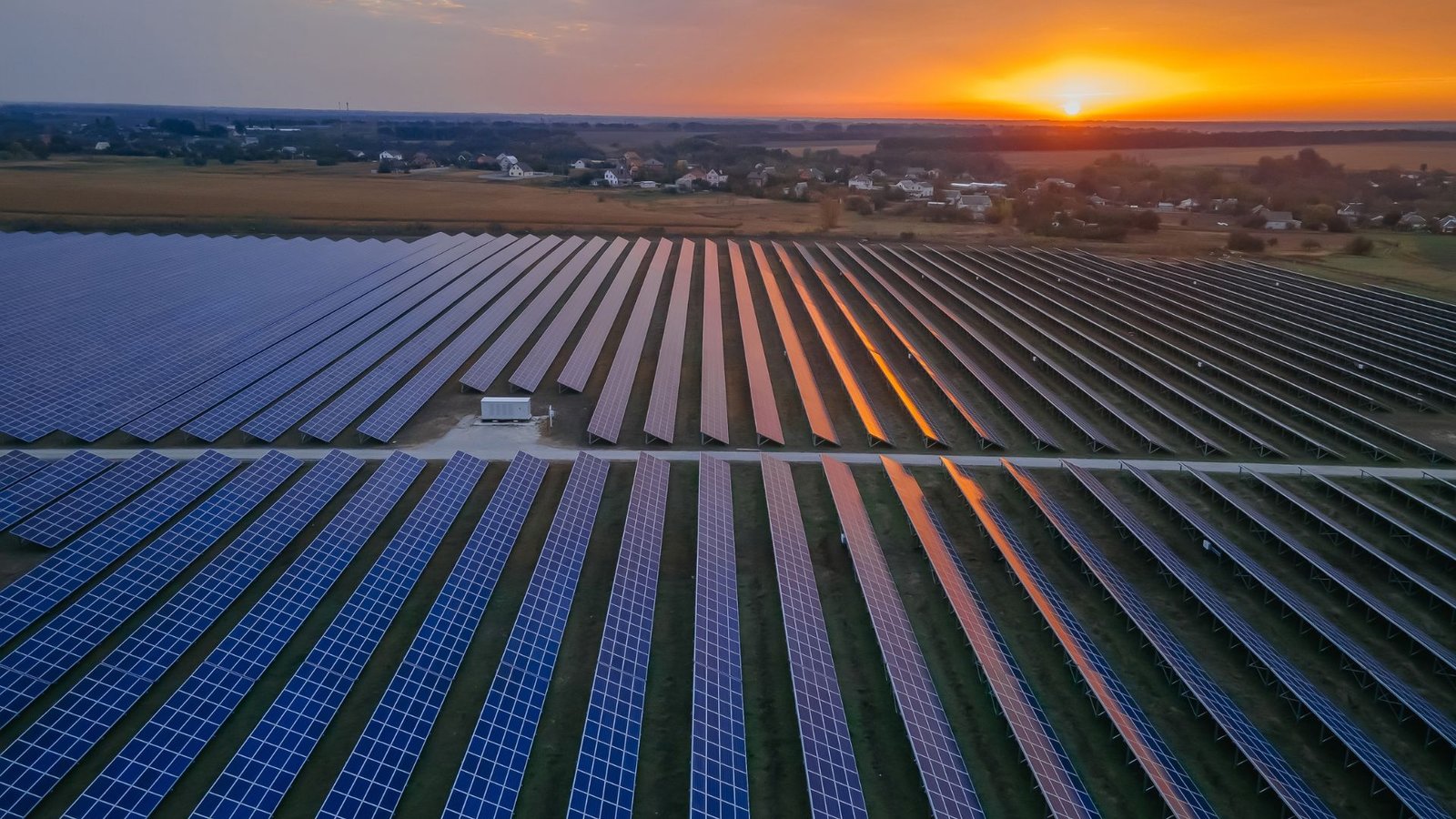
Turnkey Installation
Turnkey Supply & Installation of On Grid Solar Power System including Testing, Commissioning & Hand over with out hassle to client.
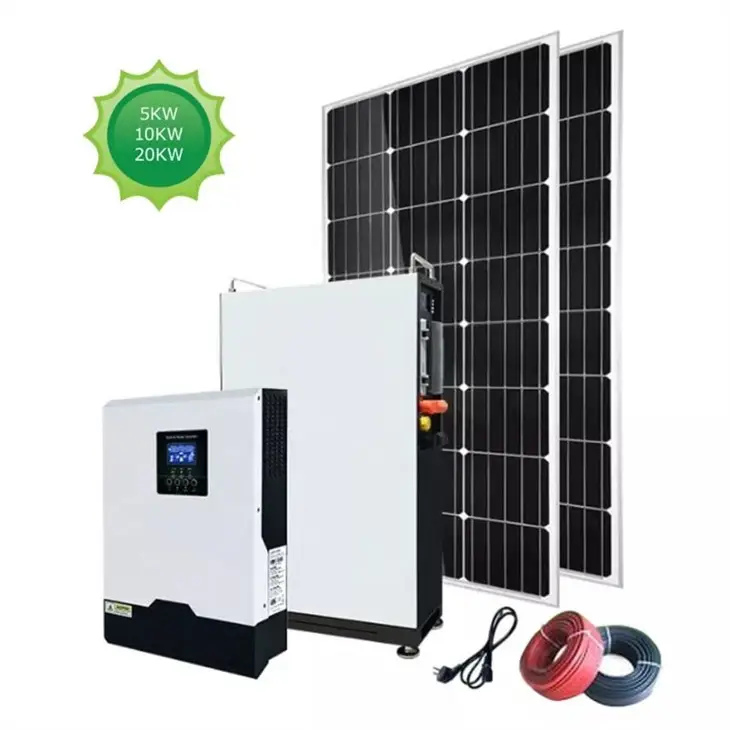
Supply of Components
We supply & provide warranty Services for Worlds Leading Solar Inverters , Solar Panels & Relevant Switch Gears Components.
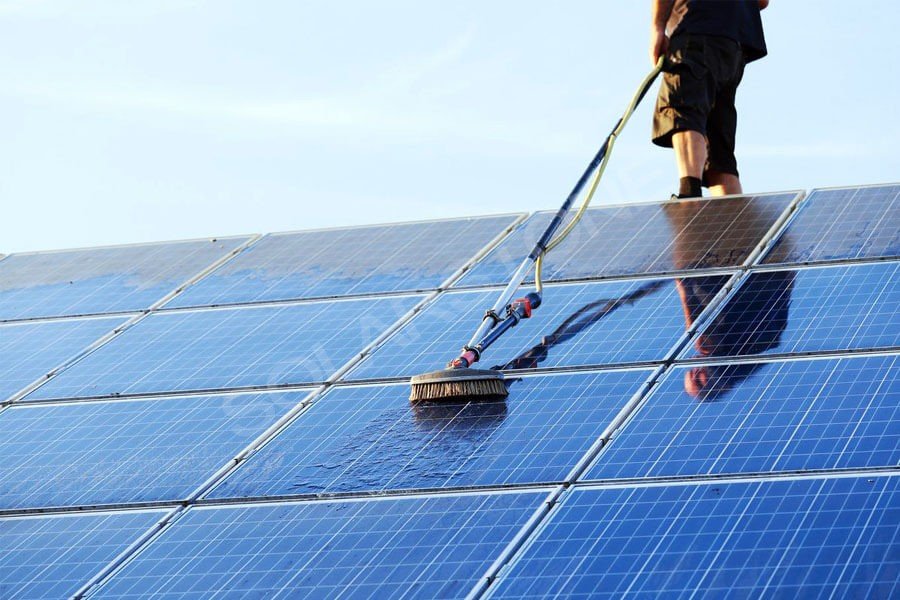
Maintenance Services
We Provide Maintenance Services for All Installations by Us & Systems installed by Other Suppliers .
Facts to Consider when installing On Grid Solar Power System in Sri Lanka
Installation of Solar Power Panels on Rooftops
Considerations for Installing a Rooftop Solar Power Plant
Assessing Roof Strength
In contemplating the installation of solar power panels on your rooftop, it’s crucial to evaluate the structural integrity of your roof. With various capacities of solar panels available on the market, each weighing an average of 24 kilograms for a 420-watt panel, the cumulative weight can increase significantly depending on the desired output. For instance, setting up a 2-kilowatt solar power plant may necessitate the installation of approximately 5 solar panels, totaling about 120 kilograms. Given the projected lifespan of 20 years for the plant, it’s imperative to ensure that your roof can support this additional load over the long term.
Assessing Sunlight Exposure
Another pivotal factor to consider is the amount of sunlight your rooftop receives. Factors such as surrounding trees and neighboring buildings can potentially obstruct sunlight, thereby impacting the efficacy of your solar power system over its 20-year lifespan.
Selecting an Accredited Installer
In Sri Lanka, numerous service providers offer rooftop solar installation services, but it’s essential to engage with an institution registered with the Sri Lanka Sustainable Energy Authority (SLSEA). SLSEA maintains a list of registered service providers on its website. Failure to select a registered installer may lead to complications when connecting your solar panels to the national grid. Accredited installation companies not only ensure compliance with regulatory standards but also oversee the installation of solar panels, inverters, and requisite safety equipment tailored to your specified capacity.
Choosing the Right Solar Panel
Given the array of solar panels available, prioritizing efficiency and durability is paramount. Tier one solar panel brands are renowned for their superior efficiency and longevity, making them a preferred choice for discerning consumers.
Expectations from Domestic Solar Power Generation
Installing a solar power plant at home typically serves one of two purposes:
Offsetting Monthly Consumption: By deploying a solar power plant matching your monthly electricity consumption, you can adopt the concept of net metering, wherein excess energy generated is not sold back to the grid but rather offset against future consumption.
Generating Additional Income: Alternatively, homeowners may opt for a solar power system designed to generate surplus electricity for profit. Two schemes facilitate this endeavor: net accounting, where excess energy is sold back to the grid at a predetermined rate, and net plus, which offers full reimbursement for surplus electricity supplied.
Promoting Household Solar Generation
The Public Utilities Commission of Sri Lanka (PUCSL) has implemented measures to encourage household solar power generation. These include:
Exemption from Licensing: Individuals generating electricity through rooftop solar power plants are exempt from obtaining a license to sell electricity to the national grid.
Grid Connection Facilitation: Utilities such as the Ceylon Electricity Board (CEB) and Lanka Electricity Company (LECO) are mandated to expedite grid connections for domestic solar power plants within a two-week timeframe.
Regulatory Guidelines: The PUCSL has issued guidelines aimed at standardizing installation practices to ensure the long-term sustainability of the solar power industry.
These initiatives align with the government’s broader agenda to promote renewable energy adoption, as evidenced by programs like “Soorya Bala Sangramaya” (Battle for Solar Energy), which incentivizes solar power generation among households.
Anticipated Benefits
By encouraging solar-based electricity generation among consumers, Sri Lanka aims to reduce reliance on traditional thermal plants, particularly during peak demand periods. This transition not only enhances energy security but also facilitates more efficient water resource management.
In conclusion, the promotion of rooftop solar power generation represents a significant step towards achieving Sri Lanka’s sustainable energy objectives while offering consumers an environmentally friendly and economically viable alternative to traditional electricity sources.
top 10 solar companies in sri lanka
SOLAR POWER COMPANIES IN SRI LANKA
Solar Power Companies in Sri Lanka
lVortex Energy ( Pvt) Ltd
No 31.1st Lane,Medawalikada Road, Rajagiriya,
Sri lanka.

Hayleys Fentons Limited
180 Deans Road Colombo 10
0112448518, 0112102102

Elcardo Industries (Pvt) Ltd
42 Narahenpita Rd Nawala
0112805556

J Lanka Technologies (Pvt) Ltd
912A Pahalawela Rd Pelawatte Battaramulla
0112786786

Cool King Solar
211 Union place Colombo 02
0115737688, 0112334721

Lanka Solar Power Systems (Pvt) Ltd
Pannipitiya
0770059592

Lead Power Solutions (Pvt) Ltd
No 36/53 Edmonton Road Colombo 05
0707180180, 0112512970
Code Gen Solutions (Pvt) Ltd
Morris Rajapaksha Mawatha Rajagiriya
0112024413

Genso Power Technologies (Pvt) Ltd
160B Nawala Rd Nugegoda
0112811019

Ideal Greentech (Pvt) Ltd
299 Union Place Colombo 02
0117727573

Three Sinha Solar (Pvt) Ltd
No 448 Nawala Rd Koswatta Rajagiriya
0768768200

Gain Power Solutions (Pvt) Ltd
139B Kawdana Rd Dehiwala
0714811118, 0115552228
Ceylon Solar Power (pvt) Ltd
93/2 Kandy Rd Yakkala
0332232126, 0333688222

Safenet Holdings Pvt Ltd
No 206/F Galahitiyawa Ganemulla
0714464464

St Anthony Hardware (Pvt) Ltd
524 Sri Sangaraja Mw Colombo 10
0112324261
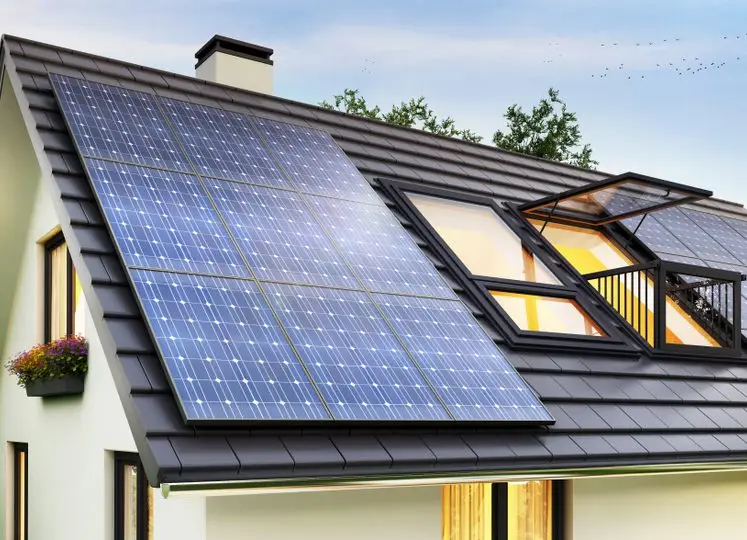
Illuminating Sri Lanka’s Future: The Role of Solar Power Companies in Sri Lanka
Introduction:
In recent years, Sri Lanka has witnessed a growing emphasis on renewable energy sources to address the challenges of climate change and energy security. Among these, solar power emerges as a frontrunner, offering abundant potential for sustainable electricity generation. At the forefront of this transition are solar power companies in Sri Lanka, playing a pivotal role in harnessing the country’s solar energy resources. This essay explores the significance, challenges, and opportunities associated with solar power companies in Sri Lanka, highlighting their role in shaping the nation’s energy landscape.
Harnessing Solar Potential:
Sri Lanka boasts ample sunlight throughout the year, making it an ideal candidate for solar energy harnessing. Solar power companies in Sri Lanka leverage this abundant resource by installing photovoltaic (PV) panels to convert sunlight into electricity. These companies employ state-of-the-art technology and innovative solutions to maximize energy generation and efficiency, catering to diverse sectors including residential, commercial, and industrial.
The Growth Trajectory:
In recent years, the solar power industry in Sri Lanka has experienced exponential growth, driven by factors such as declining solar panel costs, government incentives, and increasing awareness of environmental sustainability. Solar power companies in Sri Lanka have capitalized on this momentum, expanding their operations and offering a wide range of solar products and services to meet the growing demand.
Government Support:
The Sri Lankan government has played a crucial role in promoting solar energy adoption through various policy initiatives and incentives. Government support includes tax incentives, feed-in tariffs, and subsidies for solar power installations. Additionally, regulatory frameworks ensure the quality and reliability of solar power companies in Sri Lanka, fostering consumer confidence and investment in the sector.
Challenges and Solutions:
Despite the rapid growth of the solar power industry, solar power companies in Sri Lanka face several challenges. These include intermittency of sunlight, high upfront costs, and limited access to financing. To address these challenges, companies are exploring innovative solutions such as energy storage systems, grid integration, and innovative financing models to make solar power more accessible and affordable for consumers.
Empowering Communities:
Solar power companies in Sri Lanka are not only providers of renewable energy but also agents of social change. Through community outreach programs and initiatives, these companies empower rural communities by providing access to clean and affordable electricity. Solar micro-grids and off-grid solar solutions have transformed the lives of many, enabling access to education, healthcare, and economic opportunities.
Environmental Impact:
One of the key benefits of solar power companies in Sri Lanka is their contribution to environmental sustainability. By reducing reliance on fossil fuels, solar energy helps mitigate greenhouse gas emissions and combat climate change. Additionally, solar power installations have minimal environmental impact compared to conventional energy sources, preserving natural ecosystems and biodiversity.
Future Outlook:
The future of solar power companies in Sri Lanka looks promising, with continued advancements in technology, supportive government policies, and increasing public awareness of environmental issues. As the world transitions towards a renewable energy future, solar power will play a central role in meeting the nation’s growing energy demands sustainably.
Conclusion:
Solar power companies in Sri Lanka are at the forefront of a renewable energy revolution, driving the transition towards a sustainable and resilient energy future. Through innovation, collaboration, and commitment to excellence, these companies are shaping the nation’s energy landscape and paving the way for a brighter tomorrow. As solar power continues to gain momentum, the potential for transformative change is limitless, ushering in an era of clean, affordable, and accessible energy for all.
Illuminating Sri Lanka’s Future: The Role of Solar Power Companies in Sri Lanka
Introduction:
In recent years, Sri Lanka has witnessed a growing emphasis on renewable energy sources to address the challenges of climate change and energy security. Among these, solar power emerges as a frontrunner, offering abundant potential for sustainable electricity generation. At the forefront of this transition are solar power companies in Sri Lanka, playing a pivotal role in harnessing the country’s solar energy resources. This essay explores the significance, challenges, and opportunities associated with solar power companies in Sri Lanka, highlighting their role in shaping the nation’s energy landscape.
Harnessing Solar Potential:
Sri Lanka boasts ample sunlight throughout the year, making it an ideal candidate for solar energy harnessing. Solar power companies in Sri Lanka leverage this abundant resource by installing photovoltaic (PV) panels to convert sunlight into electricity. These companies employ state-of-the-art technology and innovative solutions to maximize energy generation and efficiency, catering to diverse sectors including residential, commercial, and industrial.
The Growth Trajectory:
In recent years, the solar power industry in Sri Lanka has experienced exponential growth, driven by factors such as declining solar panel costs, government incentives, and increasing awareness of environmental sustainability. Solar power companies in Sri Lanka have capitalized on this momentum, expanding their operations and offering a wide range of solar products and services to meet the growing demand.
Government Support:
The Sri Lankan government has played a crucial role in promoting solar energy adoption through various policy initiatives and incentives. Government support includes tax incentives, feed-in tariffs, and subsidies for solar power installations. Additionally, regulatory frameworks ensure the quality and reliability of solar power companies in Sri Lanka, fostering consumer confidence and investment in the sector.
Challenges and Solutions:
Despite the rapid growth of the solar power industry, solar power companies in Sri Lanka face several challenges. These include intermittency of sunlight, high upfront costs, and limited access to financing. To address these challenges, companies are exploring innovative solutions such as energy storage systems, grid integration, and innovative financing models to make solar power more accessible and affordable for consumers.
Empowering Communities:
Solar power companies in Sri Lanka are not only providers of renewable energy but also agents of social change. Through community outreach programs and initiatives, these companies empower rural communities by providing access to clean and affordable electricity. Solar micro-grids and off-grid solar solutions have transformed the lives of many, enabling access to education, healthcare, and economic opportunities.
Environmental Impact:
One of the key benefits of solar power companies in Sri Lanka is their contribution to environmental sustainability. By reducing reliance on fossil fuels, solar energy helps mitigate greenhouse gas emissions and combat climate change. Additionally, solar power installations have minimal environmental impact compared to conventional energy sources, preserving natural ecosystems and biodiversity.
Future Outlook:
The future of solar power companies in Sri Lanka looks promising, with continued advancements in technology, supportive government policies, and increasing public awareness of environmental issues. As the world transitions towards a renewable energy future, solar power will play a central role in meeting the nation’s growing energy demands sustainably.
Conclusion:
Solar power companies in Sri Lanka are at the forefront of a renewable energy revolution, driving the transition towards a sustainable and resilient energy future. Through innovation, collaboration, and commitment to excellence, these companies are shaping the nation’s energy landscape and paving the way for a brighter tomorrow. As solar power continues to gain momentum, the potential for transformative change is limitless, ushering in an era of clean, affordable, and accessible energy for all.
Illuminating Sri Lanka’s Future: The Role of Solar Power Companies in Sri Lanka
Introduction:
In recent years, Sri Lanka has witnessed a growing emphasis on renewable energy sources to address the challenges of climate change and energy security. Among these, solar power emerges as a frontrunner, offering abundant potential for sustainable electricity generation. At the forefront of this transition are solar power companies in Sri Lanka, playing a pivotal role in harnessing the country’s solar energy resources. This essay explores the significance, challenges, and opportunities associated with solar power companies in Sri Lanka, highlighting their role in shaping the nation’s energy landscape.
Harnessing Solar Potential:
Sri Lanka boasts ample sunlight throughout the year, making it an ideal candidate for solar energy harnessing. Solar power companies in Sri Lanka leverage this abundant resource by installing photovoltaic (PV) panels to convert sunlight into electricity. These companies employ state-of-the-art technology and innovative solutions to maximize energy generation and efficiency, catering to diverse sectors including residential, commercial, and industrial.
The Growth Trajectory:
In recent years, the solar power industry in Sri Lanka has experienced exponential growth, driven by factors such as declining solar panel costs, government incentives, and increasing awareness of environmental sustainability. Solar power companies in Sri Lanka have capitalized on this momentum, expanding their operations and offering a wide range of solar products and services to meet the growing demand.
Government Support:
The Sri Lankan government has played a crucial role in promoting solar energy adoption through various policy initiatives and incentives. Government support includes tax incentives, feed-in tariffs, and subsidies for solar power installations. Additionally, regulatory frameworks ensure the quality and reliability of solar power companies in Sri Lanka, fostering consumer confidence and investment in the sector.
Challenges and Solutions:
Despite the rapid growth of the solar power industry, solar power companies in Sri Lanka face several challenges. These include intermittency of sunlight, high upfront costs, and limited access to financing. To address these challenges, companies are exploring innovative solutions such as energy storage systems, grid integration, and innovative financing models to make solar power more accessible and affordable for consumers.
Empowering Communities:
Solar power companies in Sri Lanka are not only providers of renewable energy but also agents of social change. Through community outreach programs and initiatives, these companies empower rural communities by providing access to clean and affordable electricity. Solar micro-grids and off-grid solar solutions have transformed the lives of many, enabling access to education, healthcare, and economic opportunities.
Environmental Impact:
One of the key benefits of solar power companies in Sri Lanka is their contribution to environmental sustainability. By reducing reliance on fossil fuels, solar energy helps mitigate greenhouse gas emissions and combat climate change. Additionally, solar power installations have minimal environmental impact compared to conventional energy sources, preserving natural ecosystems and biodiversity.
Future Outlook:
The future of solar power companies in Sri Lanka looks promising, with continued advancements in technology, supportive government policies, and increasing public awareness of environmental issues. As the world transitions towards a renewable energy future, solar power will play a central role in meeting the nation’s growing energy demands sustainably.
Conclusion:
Solar power companies in Sri Lanka are at the forefront of a renewable energy revolution, driving the transition towards a sustainable and resilient energy future. Through innovation, collaboration, and commitment to excellence, these companies are shaping the nation’s energy landscape and paving the way for a brighter tomorrow. As solar power continues to gain momentum, the potential for transformative change is limitless, ushering in an era of clean, affordable, and accessible energy for all.