
UTILITY SCALE solar
SOLAR PROJECTS IN SRI LANKA
Solar Projects in Sri Lanka
In the realm of Residential Solar Power projects, Vortex Energy sets the standard for sustainability and efficiency. From Small Household to Villa, Vortex Energy empowers businesses to reduce their carbon footprint and operating costs through the adoption of solar energy solutions.
One of the hallmarks of Vortex Energy’s Solar projects in Sri Lanka is their emphasis on ROI (Return on Investment) and long-term value. By leveraging solar power to offset electricity expenses and qualify for incentives , Home Owners can enjoy substantial savings and enhanced profitability over time. Additionally, the installation of solar panels serves as a visible symbol of corporate responsibility, enhancing brand reputation and attracting environmentally conscious customers.
Solar projects in Sri Lanka
SOLAR PROJECTS IN SRI LANKA
Our Utility Scale Solar Services
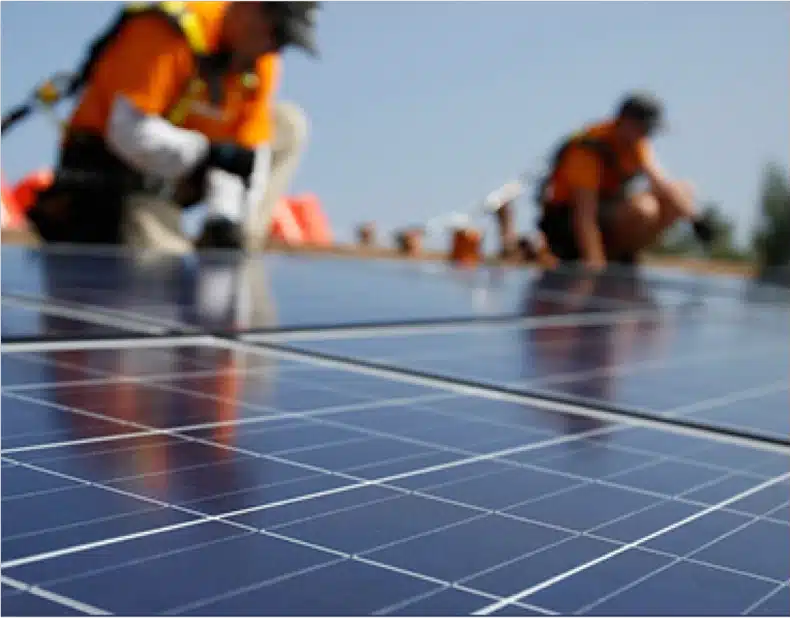
Turnkey Installation
Turnkey Supply & Installation of On Grid Solar Power System including Testing, Commissioning & Hand over with out hassle to client.

Supply of Components
We supply & provide warranty Services for Worlds Leading Solar Inverters , Solar Panels & Relevant Switch Gears Components.
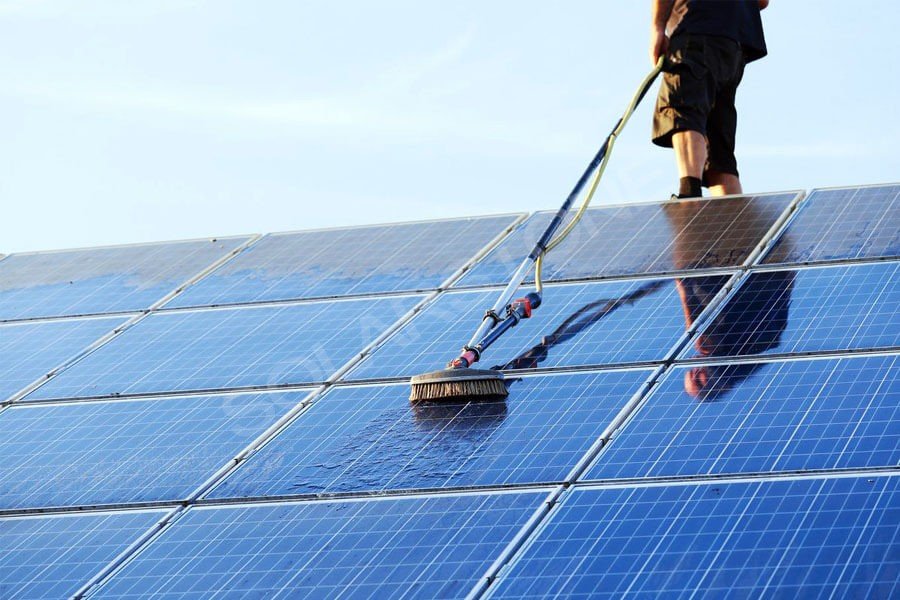
Maintenance Services
We Provide Maintenance Services for All Installations by Us & Systems installed by Other Suppliers .
About Utility Scale Solar Projects in Sri Lanka
SOLAR PROJECT TYPES: UTILITY-SCALE SOLAR
UTILITY-SCALE SOLAR PV PROJECTS
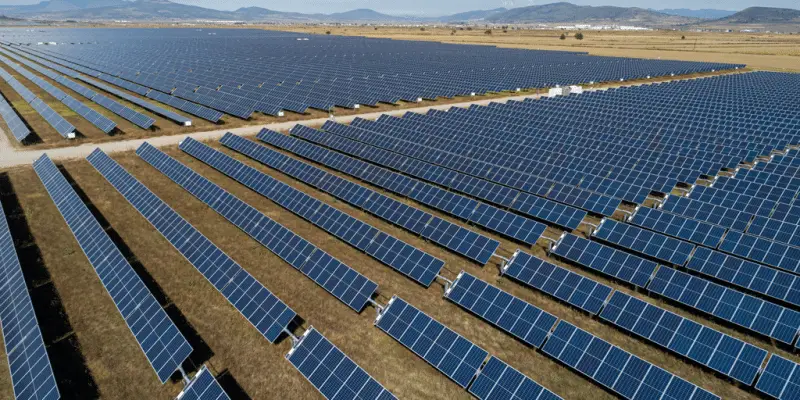
A ‘utility-scale’ solar project is usually defined as such if it produces 10 megawatts (MW) or more of energy. For comparison, the average household uses approximately 600 kWh (0.6 MWh) per month.
A good example of a utility-scale PV project is the panda-shaped solar farm pictured above. the Datong, China based project situated on 250 acres of land generates a total of 100 MW of solar energy, enough to offset approximately 1 million tons of coal in the next 25 years. Estimates suggest a solar farm of this size can deliver enough wattage to power roughly 60,000 homes (Source: EPA Greenhouse Gas Equivalences Calculator).
UTILITY-SCALE SOLAR PROJECT PARTICIPANTS
Utility companies, also known as “off-takers”, are typically the party that purchases the generated power.
Project developers and EPCs (engineering, procurement, construction).
Project financiers
Contractors and installers
Local government agencies
Solar and energy storage equipment manufacturers
Solar project owners
SOLAR PROJECTS IN SRI LANKA
Solar Projects in Sri Lanka
Title: Empowering Sustainability: The Impact of Solar Projects in Sri Lanka
**Introduction**
In recent years, Sri Lanka has emerged as a pioneer in renewable energy adoption, with a particular focus on solar power projects. These solar projects in Sri Lanka have not only transformed the country’s energy landscape but also contributed significantly to environmental conservation, economic development, and social empowerment. In this comprehensive essay, we will explore the evolution, impact, challenges, and future prospects of solar projects in Sri Lanka, shedding light on their crucial role in driving sustainability and progress.
**The Evolution of Solar Projects in Sri Lanka**
The journey of solar projects in Sri Lanka traces back to the early 2000s when the government initiated efforts to diversify the country’s energy sources and reduce dependency on fossil fuels. The introduction of incentives, subsidies, and regulatory frameworks paved the way for the proliferation of solar power projects across the island nation. Initially, solar projects focused on off-grid applications in rural areas, providing electricity to remote communities with limited access to the national grid.
As technology advanced and solar costs declined, the scope and scale of solar projects in Sri Lanka expanded rapidly. Today, solar power projects span residential rooftops, commercial buildings, industrial facilities, and large-scale solar farms, contributing significantly to the country’s renewable energy capacity. The growth of solar projects in Sri Lanka reflects a paradigm shift towards clean, sustainable energy solutions and underscores the nation’s commitment to combating climate change and promoting environmental stewardship.
**The Impact of Solar Projects in Sri Lanka**
1. **Environmental Conservation**: Solar projects in Sri Lanka play a pivotal role in mitigating environmental degradation and reducing carbon emissions. By harnessing the abundant sunlight, these projects generate clean electricity without producing harmful greenhouse gases or pollutants, thus helping to combat climate change and preserve natural ecosystems.
2. **Energy Security and Independence**: Solar projects enhance Sri Lanka’s energy security by diversifying its energy sources and reducing reliance on imported fossil fuels. With solar energy contributing to the national grid, the country becomes less vulnerable to fluctuations in global oil prices and geopolitical tensions, ensuring a more stable and sustainable energy supply.
3. **Economic Development**: Solar projects stimulate economic growth by creating job opportunities, attracting investment, and fostering innovation in the renewable energy sector. The development, construction, and operation of solar power projects generate employment across various skill levels, from engineers and technicians to installers and maintenance personnel.
4. **Social Empowerment**: Solar projects empower communities by providing access to clean, reliable electricity, particularly in rural areas where electrification rates are low. Off-grid solar projects in Sri Lanka have improved living standards, enhanced educational opportunities, and catalyzed socioeconomic development in underserved regions, empowering residents to lead healthier, more prosperous lives.
**Challenges and Opportunities**
Despite the significant benefits of solar projects in Sri Lanka, several challenges persist, hindering their full potential:
1. **Intermittency**: The intermittent nature of solar energy poses challenges for grid integration and energy storage, particularly during periods of low sunlight or peak demand. Addressing this challenge requires investment in grid infrastructure, energy storage technologies, and demand-side management strategies to ensure the reliable and resilient operation of solar projects.
2. **Financing**: The high upfront costs of solar projects often pose a barrier to investment, particularly for small-scale installations or community-based initiatives. Access to affordable financing, including loans, grants, and incentives, is essential to accelerate the deployment of solar projects and make renewable energy accessible to all segments of society.
3. **Policy and Regulatory Frameworks**: Inconsistent or outdated policies and regulatory frameworks can create uncertainty and hinder investment in solar projects. Streamlining permitting processes, implementing clear guidelines, and providing long-term policy support are critical to fostering a conducive environment for solar project development and deployment.
4. **Capacity Building**: The rapid expansion of solar projects in Sri Lanka necessitates capacity building initiatives to enhance technical expertise, promote best practices, and ensure the efficient operation and maintenance of solar installations. Training programs, knowledge-sharing platforms, and partnerships with educational institutions can help build a skilled workforce and strengthen the local solar industry.
**Future Prospects and Recommendations**
Despite the challenges, the future prospects for solar projects in Sri Lanka are promising, driven by technological advancements, supportive policies, and growing public awareness of the benefits of renewable energy. To capitalize on this momentum and maximize the impact of solar projects, several recommendations can be considered:
1. **Investment in Infrastructure**: Continued investment in grid infrastructure, energy storage systems, and smart grid technologies is essential to enhance the flexibility and reliability of solar projects, enabling seamless integration into the existing energy system.
2. **Incentives and Subsidies**: Governments should provide incentives, subsidies, and tax breaks to incentivize investment in solar projects, making renewable energy more economically viable and attractive to investors and developers.
3. **Public Awareness and Education**: Public awareness campaigns and educational programs can raise awareness about the benefits of solar energy, dispel misconceptions, and promote consumer adoption of solar projects, driving demand for clean energy solutions.
4. **Collaboration and Partnerships**: Collaboration between government agencies, private sector stakeholders, civil society organizations, and international partners is essential to coordinate efforts, share knowledge, and mobilize resources to support the development and deployment of solar projects.
**Conclusion**
In conclusion, solar projects in Sri Lanka represent a transformative force for sustainable development, offering a path towards a cleaner, more resilient, and inclusive energy future. By harnessing the power of the sun, these projects
Title: Empowering Sustainability: The Impact of Solar Projects in Sri Lanka
**Introduction**
In recent years, Sri Lanka has emerged as a pioneer in renewable energy adoption, with a particular focus on solar power projects. These solar projects in Sri Lanka have not only transformed the country’s energy landscape but also contributed significantly to environmental conservation, economic development, and social empowerment. In this comprehensive essay, we will explore the evolution, impact, challenges, and future prospects of solar projects in Sri Lanka, shedding light on their crucial role in driving sustainability and progress.
**The Evolution of Solar Projects in Sri Lanka**
The journey of solar projects in Sri Lanka traces back to the early 2000s when the government initiated efforts to diversify the country’s energy sources and reduce dependency on fossil fuels. The introduction of incentives, subsidies, and regulatory frameworks paved the way for the proliferation of solar power projects across the island nation. Initially, solar projects focused on off-grid applications in rural areas, providing electricity to remote communities with limited access to the national grid.
As technology advanced and solar costs declined, the scope and scale of solar projects in Sri Lanka expanded rapidly. Today, solar power projects span residential rooftops, commercial buildings, industrial facilities, and large-scale solar farms, contributing significantly to the country’s renewable energy capacity. The growth of solar projects in Sri Lanka reflects a paradigm shift towards clean, sustainable energy solutions and underscores the nation’s commitment to combating climate change and promoting environmental stewardship.
**The Impact of Solar Projects in Sri Lanka**
1. **Environmental Conservation**: Solar projects in Sri Lanka play a pivotal role in mitigating environmental degradation and reducing carbon emissions. By harnessing the abundant sunlight, these projects generate clean electricity without producing harmful greenhouse gases or pollutants, thus helping to combat climate change and preserve natural ecosystems.
2. **Energy Security and Independence**: Solar projects enhance Sri Lanka’s energy security by diversifying its energy sources and reducing reliance on imported fossil fuels. With solar energy contributing to the national grid, the country becomes less vulnerable to fluctuations in global oil prices and geopolitical tensions, ensuring a more stable and sustainable energy supply.
3. **Economic Development**: Solar projects stimulate economic growth by creating job opportunities, attracting investment, and fostering innovation in the renewable energy sector. The development, construction, and operation of solar power projects generate employment across various skill levels, from engineers and technicians to installers and maintenance personnel.
4. **Social Empowerment**: Solar projects empower communities by providing access to clean, reliable electricity, particularly in rural areas where electrification rates are low. Off-grid solar projects in Sri Lanka have improved living standards, enhanced educational opportunities, and catalyzed socioeconomic development in underserved regions, empowering residents to lead healthier, more prosperous lives.
**Challenges and Opportunities**
Despite the significant benefits of solar projects in Sri Lanka, several challenges persist, hindering their full potential:
1. **Intermittency**: The intermittent nature of solar energy poses challenges for grid integration and energy storage, particularly during periods of low sunlight or peak demand. Addressing this challenge requires investment in grid infrastructure, energy storage technologies, and demand-side management strategies to ensure the reliable and resilient operation of solar projects.
2. **Financing**: The high upfront costs of solar projects often pose a barrier to investment, particularly for small-scale installations or community-based initiatives. Access to affordable financing, including loans, grants, and incentives, is essential to accelerate the deployment of solar projects and make renewable energy accessible to all segments of society.
3. **Policy and Regulatory Frameworks**: Inconsistent or outdated policies and regulatory frameworks can create uncertainty and hinder investment in solar projects. Streamlining permitting processes, implementing clear guidelines, and providing long-term policy support are critical to fostering a conducive environment for solar project development and deployment.
4. **Capacity Building**: The rapid expansion of solar projects in Sri Lanka necessitates capacity building initiatives to enhance technical expertise, promote best practices, and ensure the efficient operation and maintenance of solar installations. Training programs, knowledge-sharing platforms, and partnerships with educational institutions can help build a skilled workforce and strengthen the local solar industry.
**Future Prospects and Recommendations**
Despite the challenges, the future prospects for solar projects in Sri Lanka are promising, driven by technological advancements, supportive policies, and growing public awareness of the benefits of renewable energy. To capitalize on this momentum and maximize the impact of solar projects, several recommendations can be considered:
1. **Investment in Infrastructure**: Continued investment in grid infrastructure, energy storage systems, and smart grid technologies is essential to enhance the flexibility and reliability of solar projects, enabling seamless integration into the existing energy system.
2. **Incentives and Subsidies**: Governments should provide incentives, subsidies, and tax breaks to incentivize investment in solar projects, making renewable energy more economically viable and attractive to investors and developers.
3. **Public Awareness and Education**: Public awareness campaigns and educational programs can raise awareness about the benefits of solar energy, dispel misconceptions, and promote consumer adoption of solar projects, driving demand for clean energy solutions.
4. **Collaboration and Partnerships**: Collaboration between government agencies, private sector stakeholders, civil society organizations, and international partners is essential to coordinate efforts, share knowledge, and mobilize resources to support the development and deployment of solar projects.
**Conclusion**
In conclusion, solar projects in Sri Lanka represent a transformative force for sustainable development, offering a path towards a cleaner, more resilient, and inclusive energy future. By harnessing the power of the sun, these projects
Title: Empowering Sustainability: The Impact of Solar Projects in Sri Lanka
**Introduction**
In recent years, Sri Lanka has emerged as a pioneer in renewable energy adoption, with a particular focus on solar power projects. These solar projects in Sri Lanka have not only transformed the country’s energy landscape but also contributed significantly to environmental conservation, economic development, and social empowerment. In this comprehensive essay, we will explore the evolution, impact, challenges, and future prospects of solar projects in Sri Lanka, shedding light on their crucial role in driving sustainability and progress.
**The Evolution of Solar Projects in Sri Lanka**
The journey of solar projects in Sri Lanka traces back to the early 2000s when the government initiated efforts to diversify the country’s energy sources and reduce dependency on fossil fuels. The introduction of incentives, subsidies, and regulatory frameworks paved the way for the proliferation of solar power projects across the island nation. Initially, solar projects focused on off-grid applications in rural areas, providing electricity to remote communities with limited access to the national grid.
As technology advanced and solar costs declined, the scope and scale of solar projects in Sri Lanka expanded rapidly. Today, solar power projects span residential rooftops, commercial buildings, industrial facilities, and large-scale solar farms, contributing significantly to the country’s renewable energy capacity. The growth of solar projects in Sri Lanka reflects a paradigm shift towards clean, sustainable energy solutions and underscores the nation’s commitment to combating climate change and promoting environmental stewardship.
**The Impact of Solar Projects in Sri Lanka**
1. **Environmental Conservation**: Solar projects in Sri Lanka play a pivotal role in mitigating environmental degradation and reducing carbon emissions. By harnessing the abundant sunlight, these projects generate clean electricity without producing harmful greenhouse gases or pollutants, thus helping to combat climate change and preserve natural ecosystems.
2. **Energy Security and Independence**: Solar projects enhance Sri Lanka’s energy security by diversifying its energy sources and reducing reliance on imported fossil fuels. With solar energy contributing to the national grid, the country becomes less vulnerable to fluctuations in global oil prices and geopolitical tensions, ensuring a more stable and sustainable energy supply.
3. **Economic Development**: Solar projects stimulate economic growth by creating job opportunities, attracting investment, and fostering innovation in the renewable energy sector. The development, construction, and operation of solar power projects generate employment across various skill levels, from engineers and technicians to installers and maintenance personnel.
4. **Social Empowerment**: Solar projects empower communities by providing access to clean, reliable electricity, particularly in rural areas where electrification rates are low. Off-grid solar projects in Sri Lanka have improved living standards, enhanced educational opportunities, and catalyzed socioeconomic development in underserved regions, empowering residents to lead healthier, more prosperous lives.
**Challenges and Opportunities**
Despite the significant benefits of solar projects in Sri Lanka, several challenges persist, hindering their full potential:
1. **Intermittency**: The intermittent nature of solar energy poses challenges for grid integration and energy storage, particularly during periods of low sunlight or peak demand. Addressing this challenge requires investment in grid infrastructure, energy storage technologies, and demand-side management strategies to ensure the reliable and resilient operation of solar projects.
2. **Financing**: The high upfront costs of solar projects often pose a barrier to investment, particularly for small-scale installations or community-based initiatives. Access to affordable financing, including loans, grants, and incentives, is essential to accelerate the deployment of solar projects and make renewable energy accessible to all segments of society.
3. **Policy and Regulatory Frameworks**: Inconsistent or outdated policies and regulatory frameworks can create uncertainty and hinder investment in solar projects. Streamlining permitting processes, implementing clear guidelines, and providing long-term policy support are critical to fostering a conducive environment for solar project development and deployment.
4. **Capacity Building**: The rapid expansion of solar projects in Sri Lanka necessitates capacity building initiatives to enhance technical expertise, promote best practices, and ensure the efficient operation and maintenance of solar installations. Training programs, knowledge-sharing platforms, and partnerships with educational institutions can help build a skilled workforce and strengthen the local solar industry.
**Future Prospects and Recommendations**
Despite the challenges, the future prospects for solar projects in Sri Lanka are promising, driven by technological advancements, supportive policies, and growing public awareness of the benefits of renewable energy. To capitalize on this momentum and maximize the impact of solar projects, several recommendations can be considered:
1. **Investment in Infrastructure**: Continued investment in grid infrastructure, energy storage systems, and smart grid technologies is essential to enhance the flexibility and reliability of solar projects, enabling seamless integration into the existing energy system.
2. **Incentives and Subsidies**: Governments should provide incentives, subsidies, and tax breaks to incentivize investment in solar projects, making renewable energy more economically viable and attractive to investors and developers.
3. **Public Awareness and Education**: Public awareness campaigns and educational programs can raise awareness about the benefits of solar energy, dispel misconceptions, and promote consumer adoption of solar projects, driving demand for clean energy solutions.
4. **Collaboration and Partnerships**: Collaboration between government agencies, private sector stakeholders, civil society organizations, and international partners is essential to coordinate efforts, share knowledge, and mobilize resources to support the development and deployment of solar projects.
**Conclusion**
In conclusion, solar projects in Sri Lanka represent a transformative force for sustainable development, offering a path towards a cleaner, more resilient, and inclusive energy future. By harnessing the power of the sun, these projects
- Solar companies in Sri Lanka
- Renewable energy solutions Sri Lanka
- Best solar power providers Sri Lanka
- Solar panel installation companies Sri Lanka
- Sustainable energy solutions Sri Lanka
- Government-approved solar companies Sri Lanka
- Solar energy systems Sri Lanka
- Leading solar companies Sri Lanka
- Solar panel suppliers Sri Lanka
- Solar energy industry Sri Lanka
Links:
- SolarTech Lanka – Leading provider of solar solutions in Sri Lanka.
- Sunshine Renewable Energy – Innovative solar energy company serving Sri Lanka.
- Green Energy Solutions – Trusted supplier of solar panels and systems in Sri Lanka.
- EcoSolar – Reliable provider of solar power solutions for residential and commercial properties.
- SunPower Solar – Industry-leading solar company offering high-efficiency solar panels in Sri Lanka.
- SolarMax – Expert in designing and installing solar systems for various applications in Sri Lanka.
- GreenTech Solar – Provider of government-approved solar projects across Sri Lanka.
- Energize Solar – Specialist in solar consultation, design, and installation services in Sri Lanka.
- Sunshine Renewable Energy – Dedicated to promoting sustainable energy solutions through solar power in Sri Lanka.
- Green Power Solutions – Offering cost-effective solar solutions for homes and businesses in Sri Lanka.
These meta tags and links can help improve the visibility and accessibility of solar companies in Sri Lanka online.